
In Lisbon, est living’s editorial director, Karen McCartney, sits down with Portuguese architect Manuel Aires Mateus to explore the ideas that have shaped one of the most distinctive architectural practices of the past three decades. From restoring an 18th-century convent to creating houses that disappear into the landscape, Manuel speaks about how people live, move, remember and connect with a space. He shares why he believes architects should remain in doubt, why “problems are our material”, and how limits can become the starting point for invention.
1. Architecture Begins With How People Live
For Aires Mateus, architecture begins with an understanding of how people will live. He considers how people use a space, establish relationships within it and make it their own. This is particularly evident in his approach to residential projects, where conversations with clients can reveal unexpected ideas about how they want to live. “We are interested in life, how people are going to live, how people are going to use it, how people are going to establish relations, because you have to cultivate these relations,” he says. “You have to give people memories, but you have to evoke their own memories. I always imagine myself living in a space because it’s the person that is always the centre of the design.”
2. Every Project Begins With A Question
Aires Mateus resists the idea of a recognisable architectural formula, explaining that each project should emerge from its own conditions. “We like to design projects with the things that we don’t know,” he says. “We don’t like to design with things that we do know. We like to discover. And we like to discover with people.” He also describes constraints as an important part of this process, providing the information and boundaries from which an idea can develop. His work on the historic tower in Sicily, for example, involved removing a later addition and reusing its stone for a swimming pool and pathway, which allowed the original structure to take precedence. “We need these limits, and the limits are a very good tool for us to work with.”
3. Doubt Is Essential To Achieving Clarity
Despite the experience and international recognition of the practice, the architect believes that doubt must remain central to the design process. He is wary of relying on authority or assuming that experience automatically produces the right answer. Rather, each project requires sustained questioning, discussion and refinement. “I have to have doubts. I cannot be confident. I don’t want to have the feeling that I have the power of convincing people from the beginning,” he admits, noting that the practice often reconsiders its own decisions more than clients prompt it to, and welcomes uncertainty as an opportunity to return to an idea and improve it. Once a precise idea has been established, it should be strong enough to withstand the many inputs and changes that come with bringing a building to life.
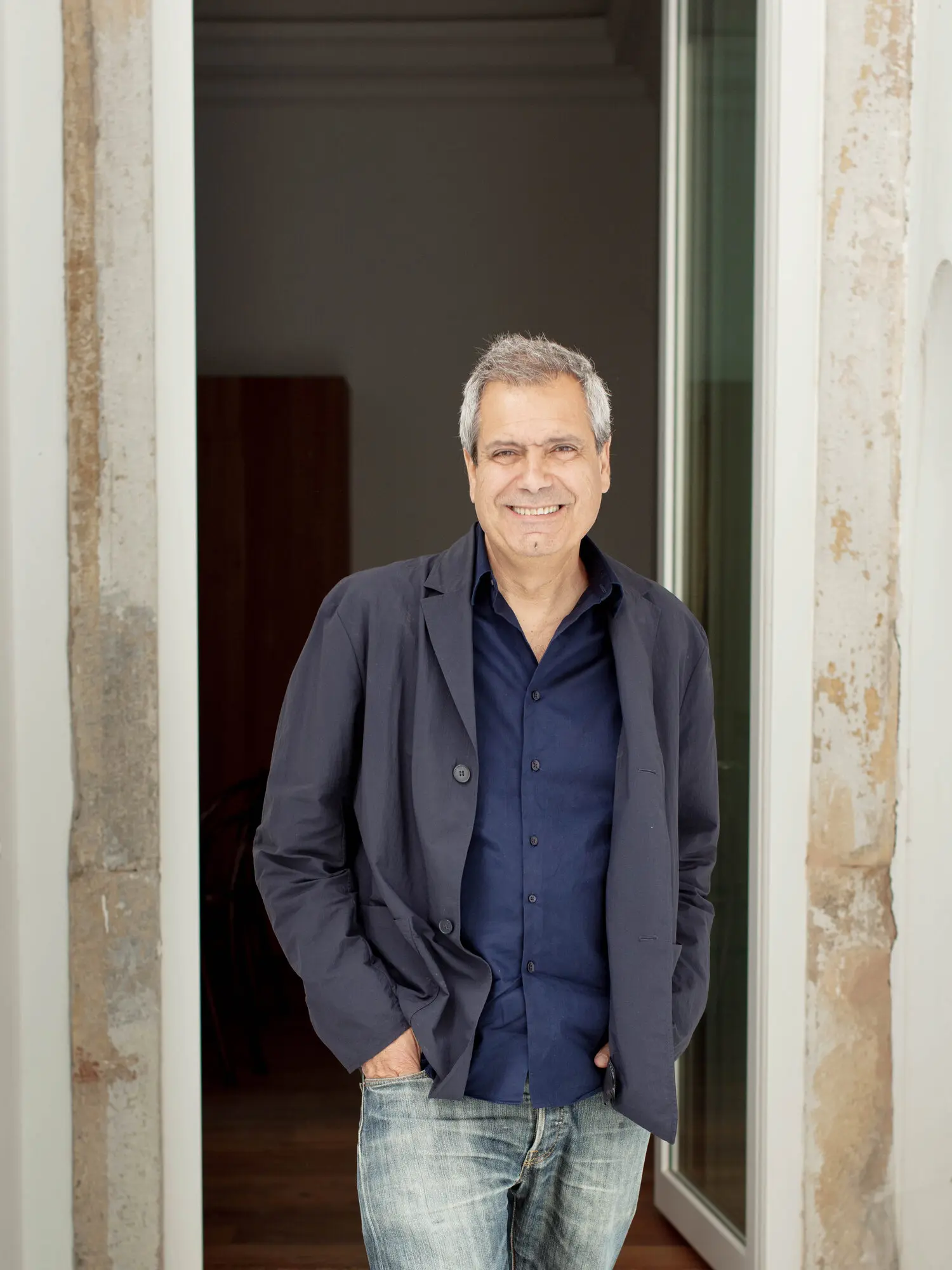
Architect Manuel Aires Mateus.
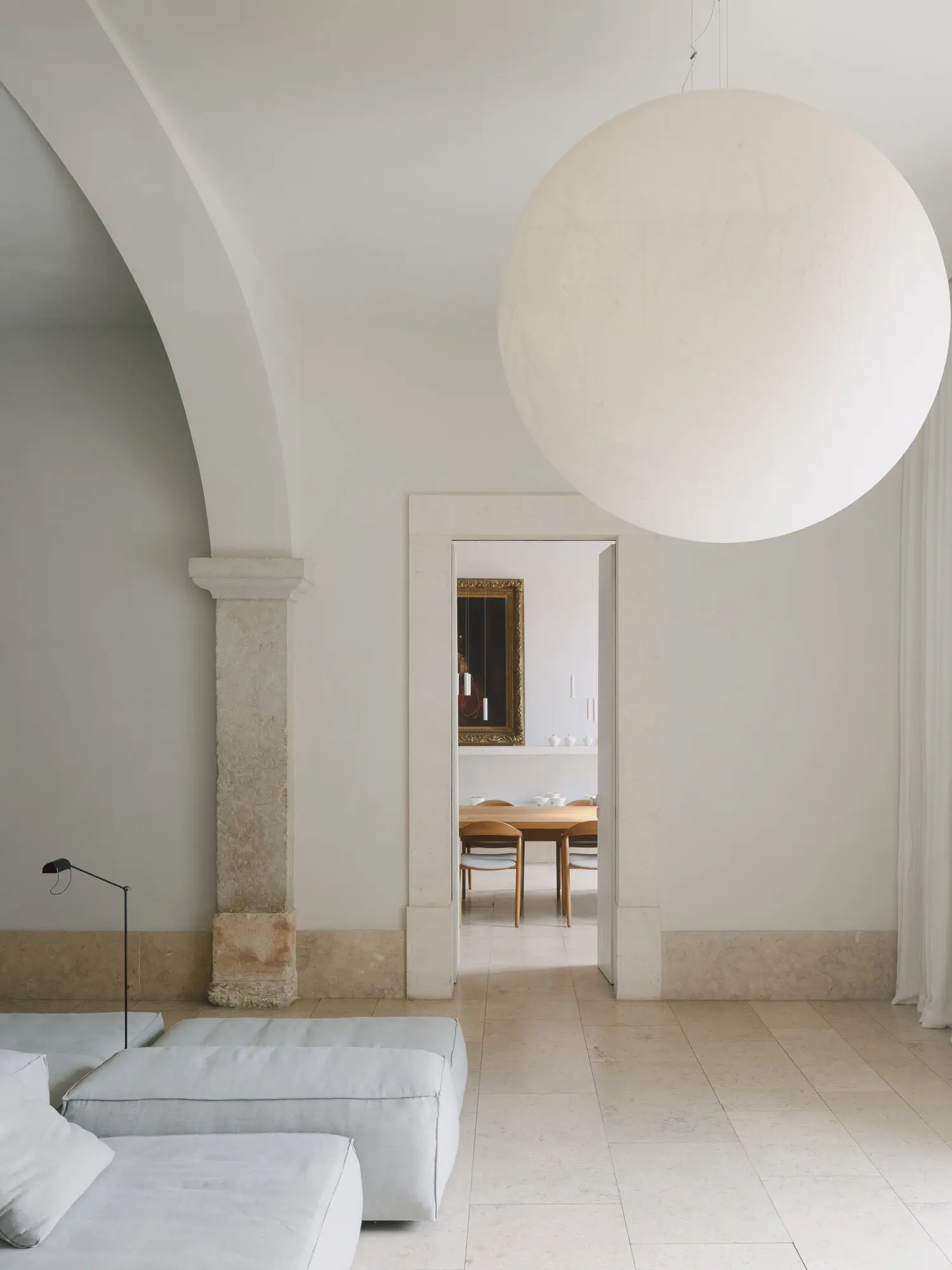
Santa Clara 1728 by Aires Mateus. Photography by Dan Preston
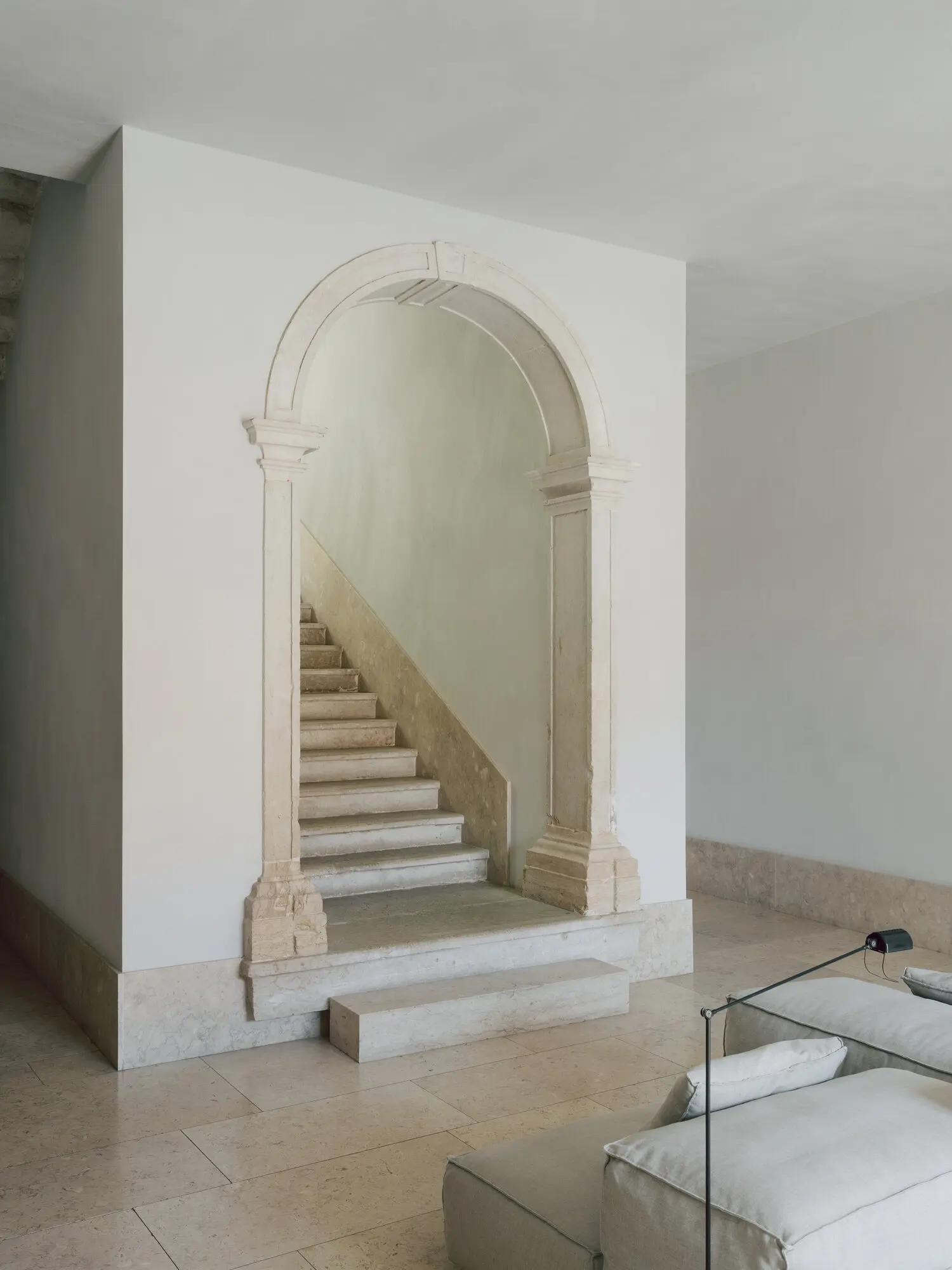
Santa Clara 1728 by Aires Mateus. Photography by Dan Preston
4. Buildings Are Part Of An Ongoing Continuum
Aires Mateus sees architecture as something that should remain open to change, considering it in relation to the time that comes before and after its creation. Drawing on the European experience of buildings that have served as convents, schools, libraries and hotels over centuries, he believes that “buildings should be designed in a way that they serve a purpose, but are open to being transformed”. This thinking informed the restoration of the practice’s Lisbon office, an eighteenth-century building adapted for contemporary working life while retaining the possibility of becoming residential in the future. He approaches heritage in a similar way, seeing the relationship between old and new as a continuous process of adding, removing and bringing certain elements into focus. “You have to see it as you preparing the building for future interventions.”
5. Architecture Is Experienced Beyond The Visual
Light is fundamental to Aires Mateus’s understanding of how people experience architecture. He considers its changing qualities throughout the day and across the seasons, designing different light conditions to influence how people inhabit a space. “Light cannot be banal,” he says. “Light has to be intentional.” Memory is another important consideration. He describes using familiar architectural references to establish a connection with people, even when the forms and arrangements are unfamiliar. Discussing a home in Monsaraz, he explains how its partially buried structure creates a feeling of protection while opening towards the lake. For the architect, the experience of architecture extends beyond its visual appearance to the way a space is encountered and felt.
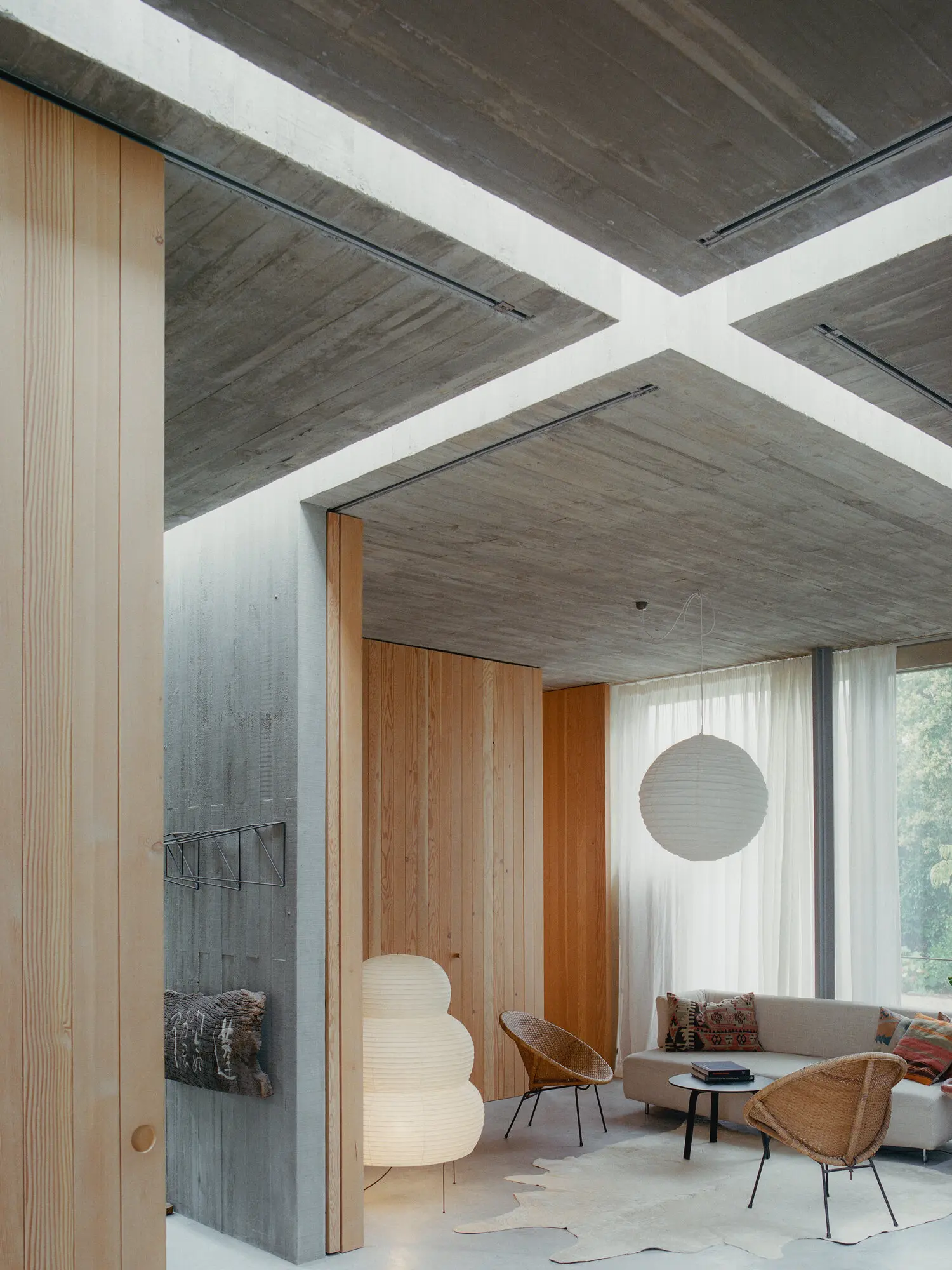
Mori House by Aires Mateus and MA+Co. Photography by Brook James
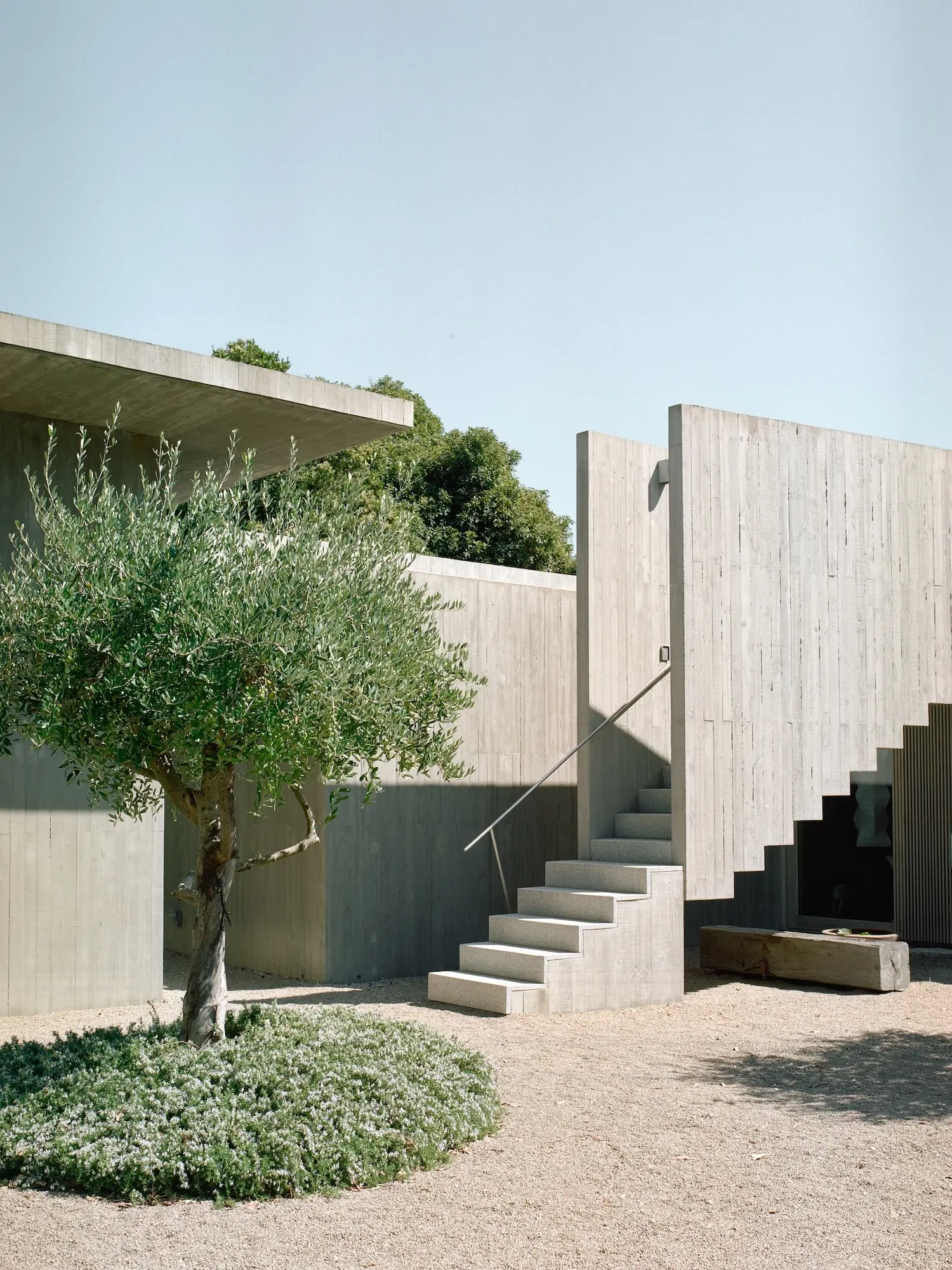
Mori House by Aires Mateus and MA+Co. Photography by Brook James
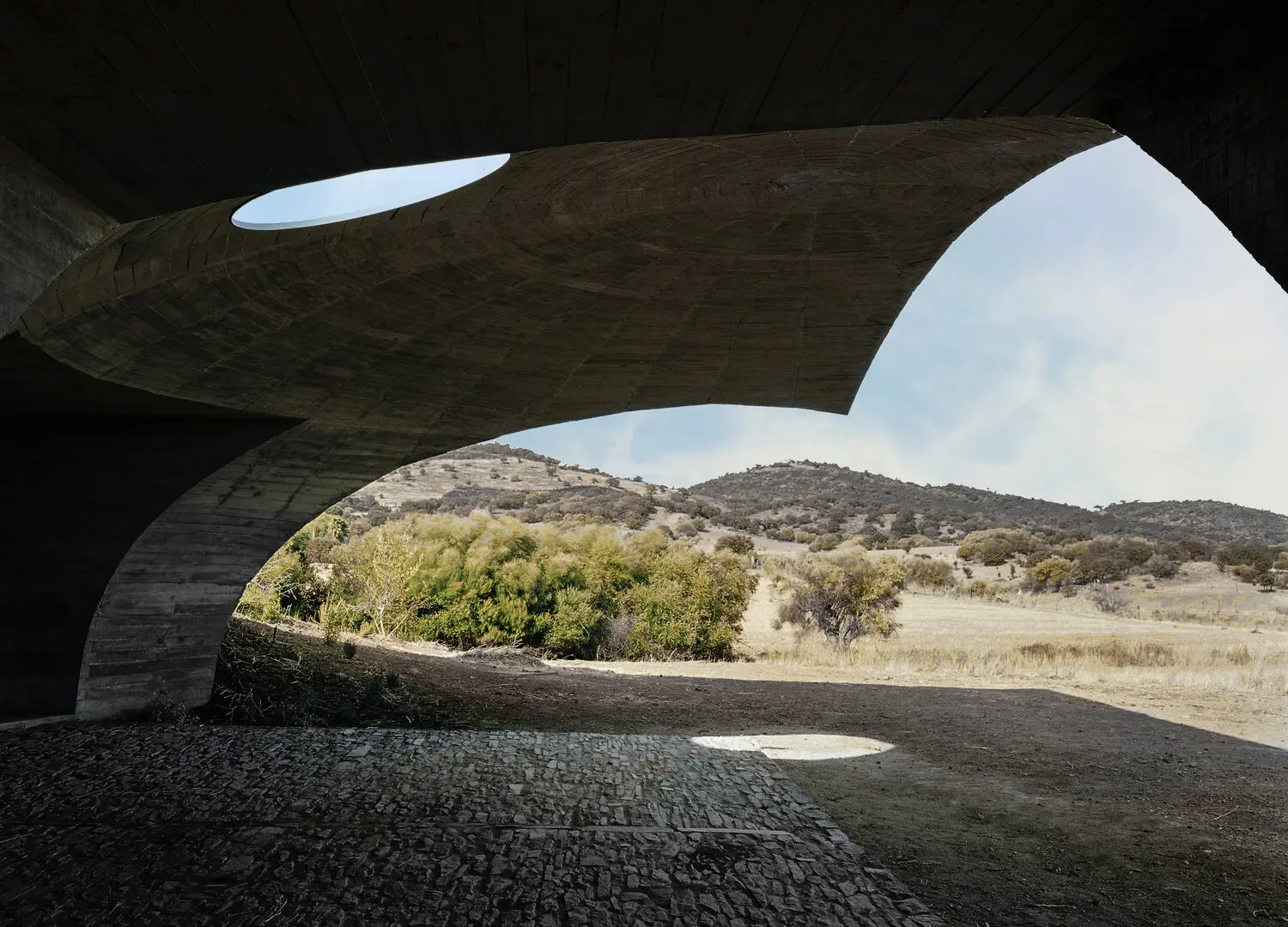
House in Monsaraz by Aires Mateus. Photography by Rui Cardoso, courtesy of Silent Living