In the historic centre of Porto, Portugal, multi-disciplinary design studio Garcé & Dimofski has transformed a 1930s villa to reflect the owners’ passion for contemporary art and design.
Concealed behind a facade of stone and azulejos, a Portuguese form of glazed ceramic tiles, Porto Townhouse celebrates the city’s rich history. The surrounding neighbourhood, Cedofeita, features narrow streets lined with homes clad in vibrant tiles and wrought-iron balconies. With historical landmarks such as the 11th-century Igreja de Cedofeita and the Mercado do Bolhão nearby, Lisbon-based design studio Garcé & Dimofski set out to honour the historical significance of the original structure, which dates back to 1930. “We tried to keep the soul and architectural spirit of the house,” co-founder Clio Dimofski says.
Garcé and Dimofski lifted cues from Belgian sculptor, architect and designer Paul Hankar when redesigning the home, renowned for his impact on the Art Nouveau movement. Characterised by intricacy and organic form, Hankars’ design ethos is reflected in the homes’ elaborate details that blend local tradition and global art influences.
The villa required extensive restoration and remodelling that spanned across three floors. Garcé and Dimofski retained theinterior granite arches and high ceilings that embody the “grandeur and spaciousness” of early 20th-century architecture. The studio also preserved the staircase, which features an original bronze female Art Nouveau sculpture. The primary bedroom, with its ornate decorative ceiling, embodies the architects’ focus on heritage preservation. “The iconic ceiling allows the space to turn into a memorable—almost artistic—retreat,” Olivier Garcé reflects. “The bedroom is my favourite part of the home, as the design adds a unique character that resonates throughout the space,” he adds.
Handcrafted, textural ceramic was introduced for the splashback in the kitchen, complementing the contemporary interior accents.
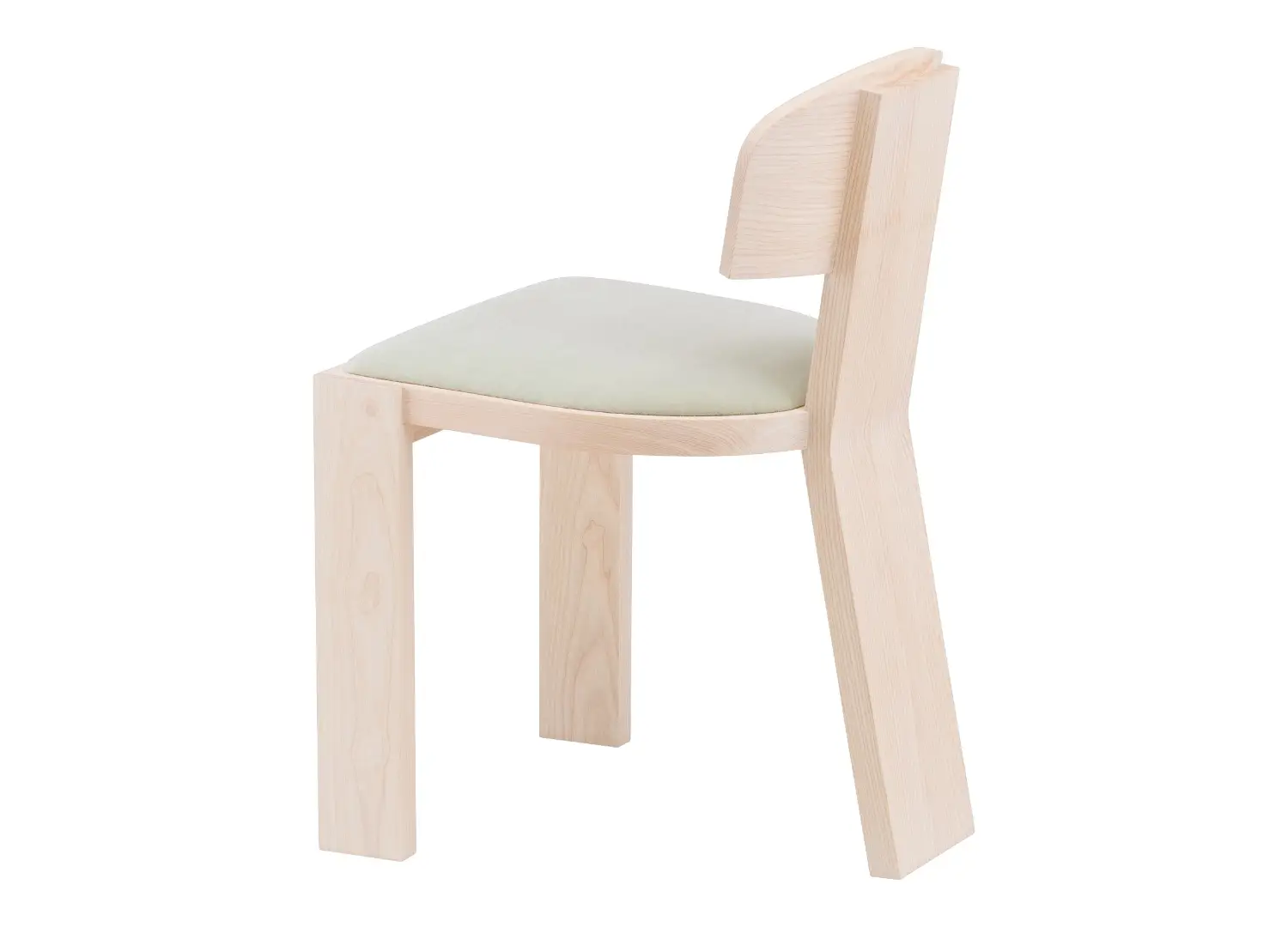
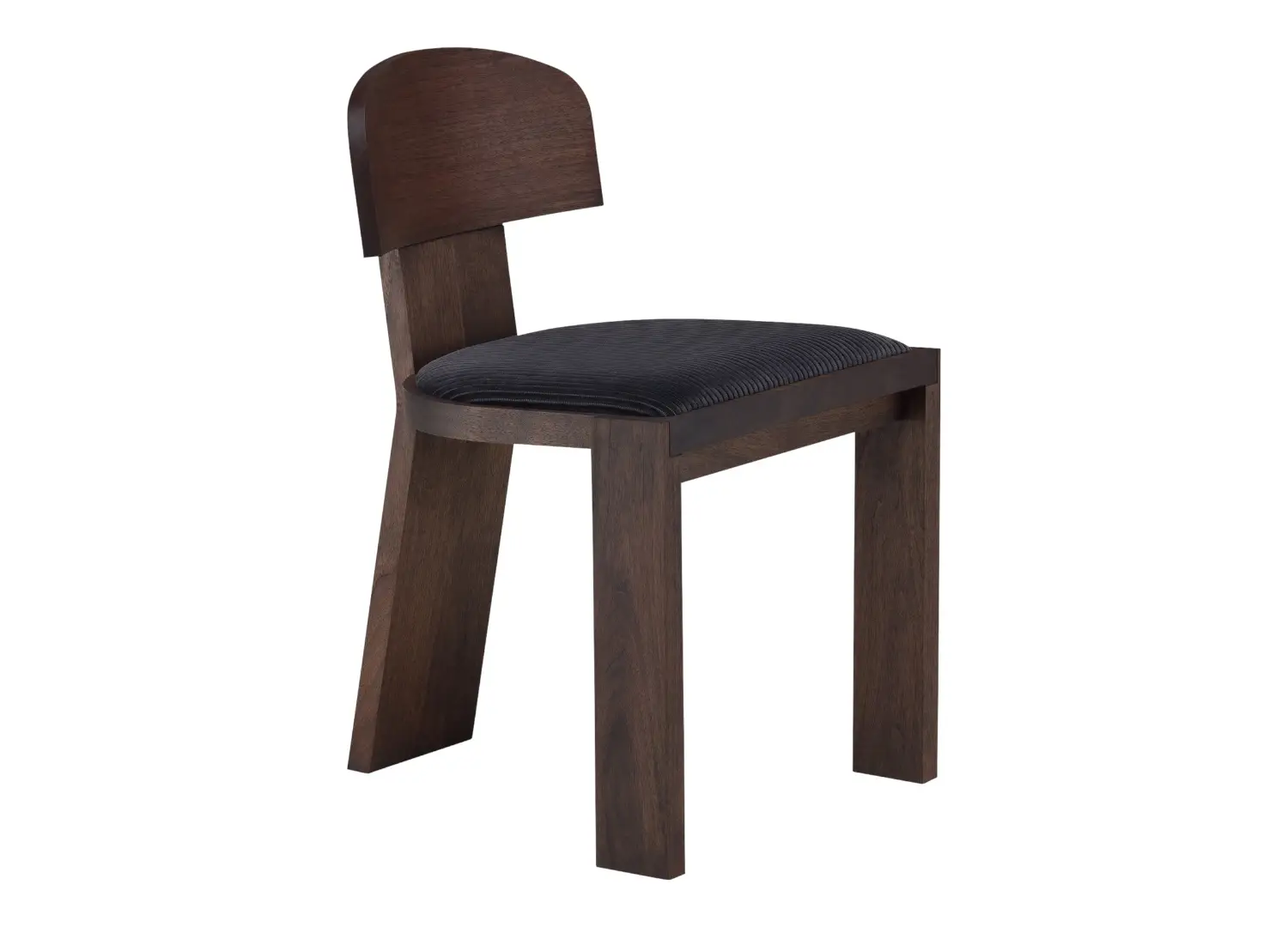
In the dining area, Fred chairs by Garcé & Dimofski sit alongside a bold aluminium Studio Haos dining table, contrasting the traditional arches and rustic wood. Adding to the spaces’ grandeur, Chair I and Chair II by Minjae Kim sit at the entrance.
The designers preserved as much of the existing details and materials as they could, such as the pine wood flooring and ornate mouldings. “We felt this was essential in maintaining the character and history of the place,” Dimofski says. The pair also selected plaster walls in soft hues to complement the heritage detailing, allowing the interiors to appear like they haven’t changed.
When introducing new materials, the duo opted for “subtle yet meaningful” selections that blend into the traditional materials; in the kitchen, handcrafted, textural ceramic was utilised for the splashback, while the stone in the bathroom subtly elevates the space into one that feels personal and authentic. “The use of stone brings a sense of permanence and natural beauty, grounding the space and creating a tactile connection to the existing granite,” Garcé reflects.
A bold Bosco Sodi art piece from Galeria Nuno Centeno in the breakfast nook.
Garcé and Dimofski worked collaboratively with the clients, avid collectors of modern art with an affinity for architecture and design. “From concept development to material selection, we worked closely together, refining each detail to ensure the space feels uniquely personal and true to their story,” Dimofski reflects. “This close partnership, along with attention to historical details, consistently leads to results that resonate deeply with clients,” she adds.
In the living room, an aluminium armchair and fibre-glass side table, both designed by Studio Haos, are crafted with sharp, angular forms that stand out against the heritage detailing. The bold aluminium Studio Haos table in the dining area contrasts the traditional arches and rustic wood. Bold artworks from renowned artists such as Mexican-based Bosco Sodi and New York-based Robert Janitz find their way into each space as part of the clients’ personal collection, cementing their artistic and playful influence on the home.
Porto Townhouse authentically captures the city’s old-world charm and architectural heritage with global artistic influences and bold, modern accents.
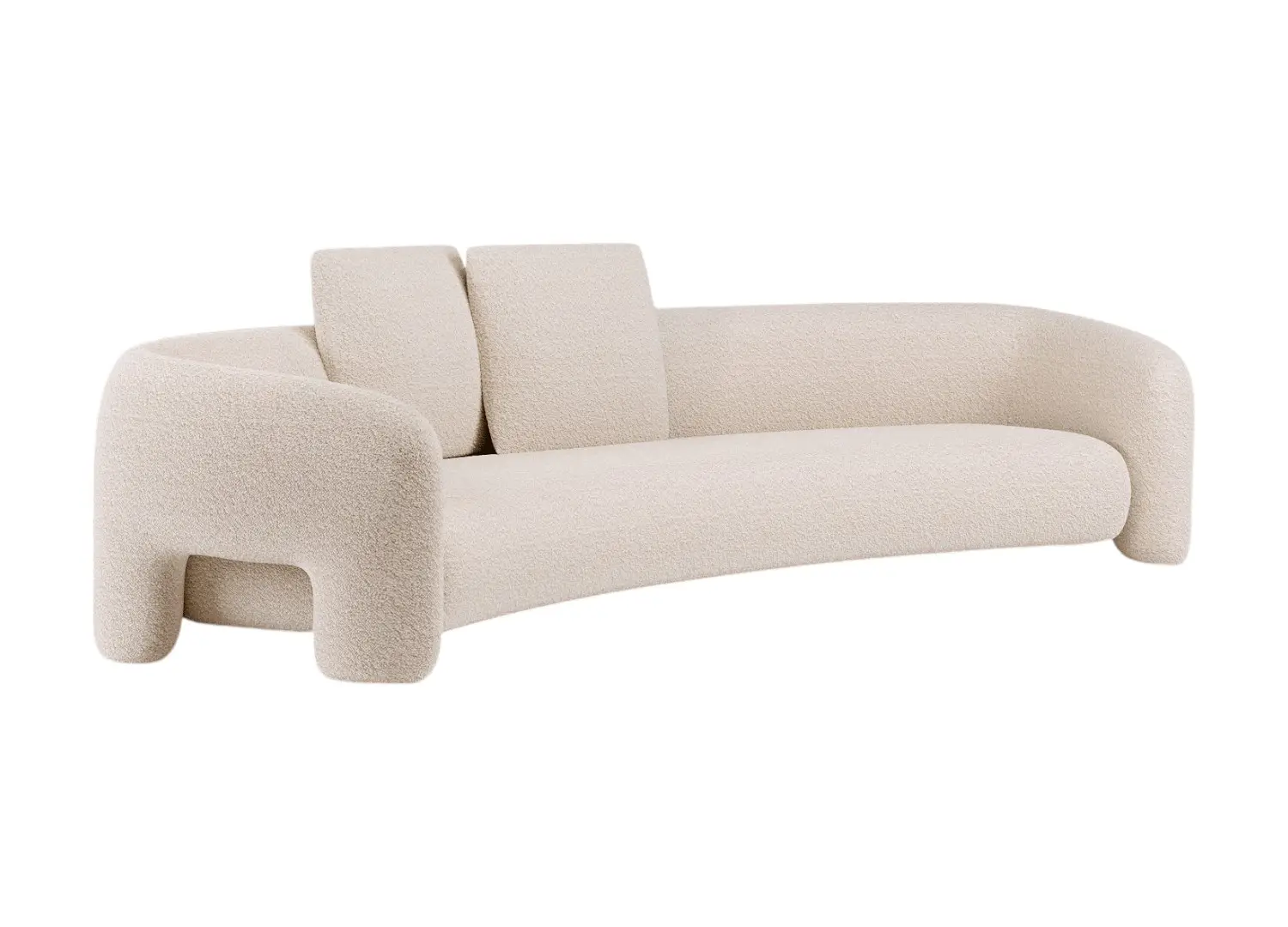
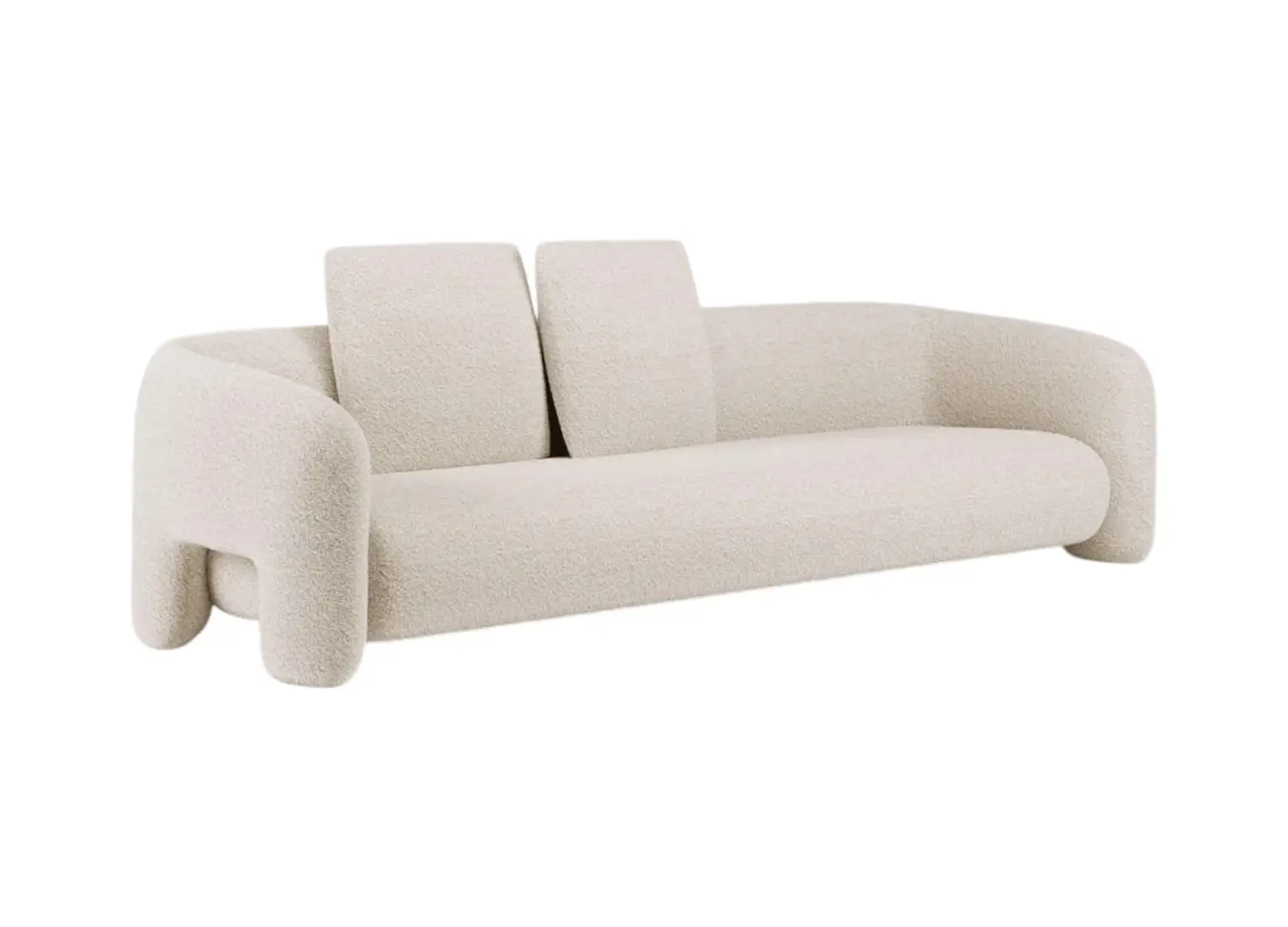
The living area combines geometric and soft, curved forms. It features a bouclé Monte sofa custom-designed by Garcé & Dimofski and an aluminium Studio Haos armchair. The space also features artwork by Robert Janitz, Secundino Hernández from Galeria Nuno Centeno, and Maria Luz, alongside a sculpture by Bosco Sodi.
This corner of the living area features a geometric Studio Haos side table crafted from textural fibre-glass, a vintage Italian floor lamp in vibrant red, and a bold Charlotte Taylor table lamp.
The living area features an artwork by Constanza Vallese and Robert Janitz from König Gallery.
The study features the Cedofeita desk by Garcé & Dimofski, a Studio Haos armchair and wall light, and a sculptural floor lamp by Minjae Kim.
The staircase features original bronze sculptures and hand-painted, patterned panelling.
The primary bedroom features a decorative, detailed ceiling.
The playful Lola chair by Minjae Kim.
The primary bedroom features the Monte Boucle armchair by Garcé & Dimofski and artwork by Ana Malta and Robert Janitz.
Dating back to 1930, the home exemplifies traditional 20th-century Porto architecture.