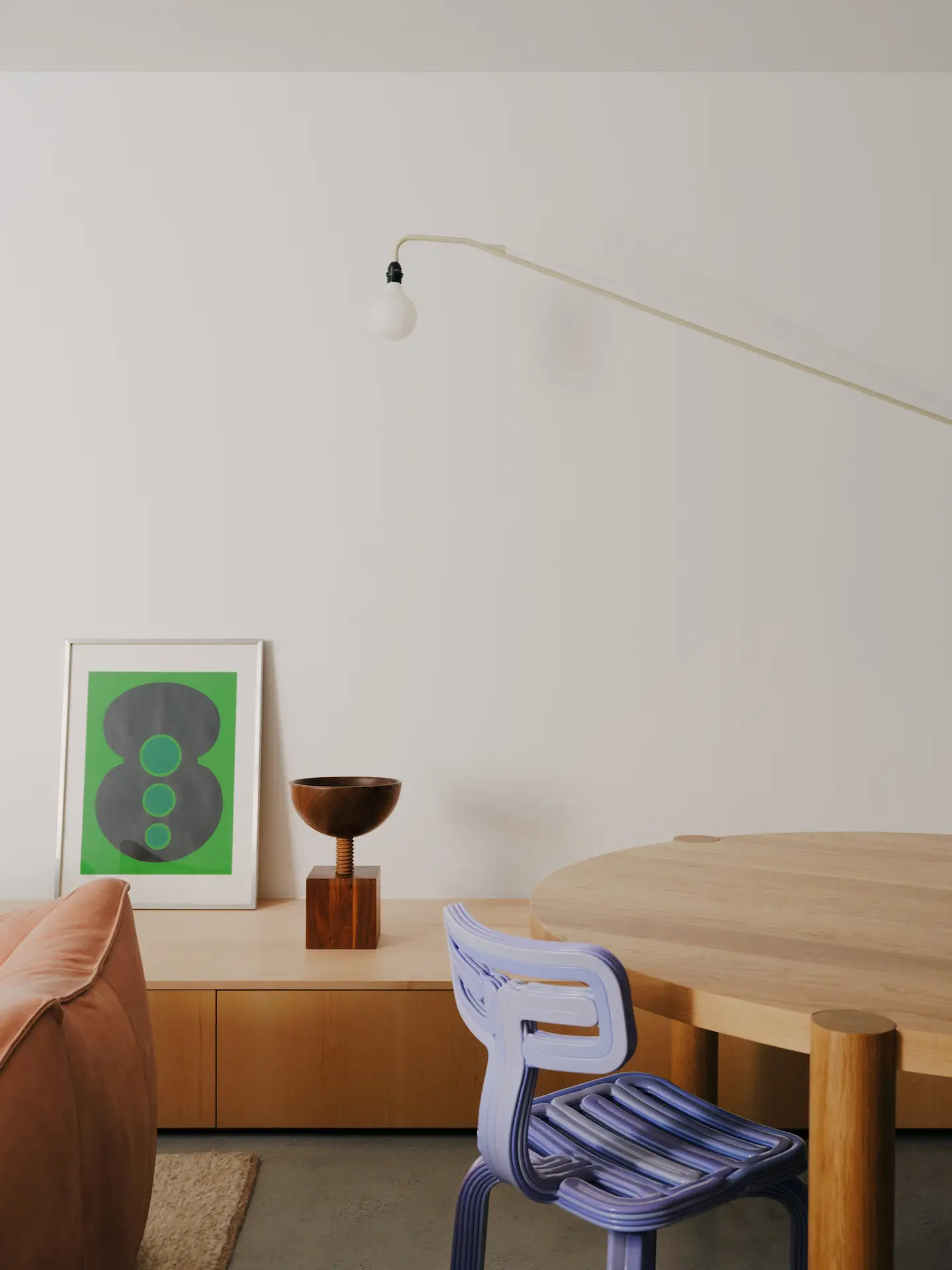
Black Diamond by YSG | Photography by Anson Smart
Founded in Sydney in 2021 by the late Boris Tošić, SKUPA> grew organically from a lifetime spent at the workbench. Decades of bespoke joinery for architects, designers and private clients shaped his exacting eye, and furniture became the natural evolution of that practice; a space where craft, care and intention could meet everyday life. The name, taken from the Croatian word for “together,” signals the heart of the collection: pieces designed to support shared moments, long conversations, and the rhythms of living.
Now led by his sons, Luke Tošić and Ziggy Tošić, we sit down with Luke to explore where SKUPA> has come from, the legacy his father left behind, and how the collection continues to evolve with new work, new stories, and a distinctly Australian perspective.
In partnership with SKUPA>
SKUPA> was founded as an evolution of Boris Tošić’s lifelong work in joinery. When did furniture become the natural next chapter of that story?
Luke Tošić: Furniture was always there in the background; through joinery, we were already shaping the bones: proportions, edges, timber choices, how things meet, how they wear. The shift came when we realised we were designing details that wanted to be touched and lived with, not just built in and forgotten. It started with one-off pieces for projects, and then the same question kept coming up: “Can we make that again?” That’s when it became clear furniture wasn’t a side quest—it was the next step.
The name SKUPA> means “together” in Croatian. How did Boris interpret that idea through furniture, and how does it continue to guide the brand today?
Luke Tošić: It’s a family story first and foremost. It’s about the relationship between maker and material, designer and client, the piece and the space it inhabits. He believed good work comes from people being aligned and pulling in the same direction. That philosophy continues today. The furniture reflects that mindset: considered, collaborative, and built to last.
yolo by Pattern | Photography by Tom Ross
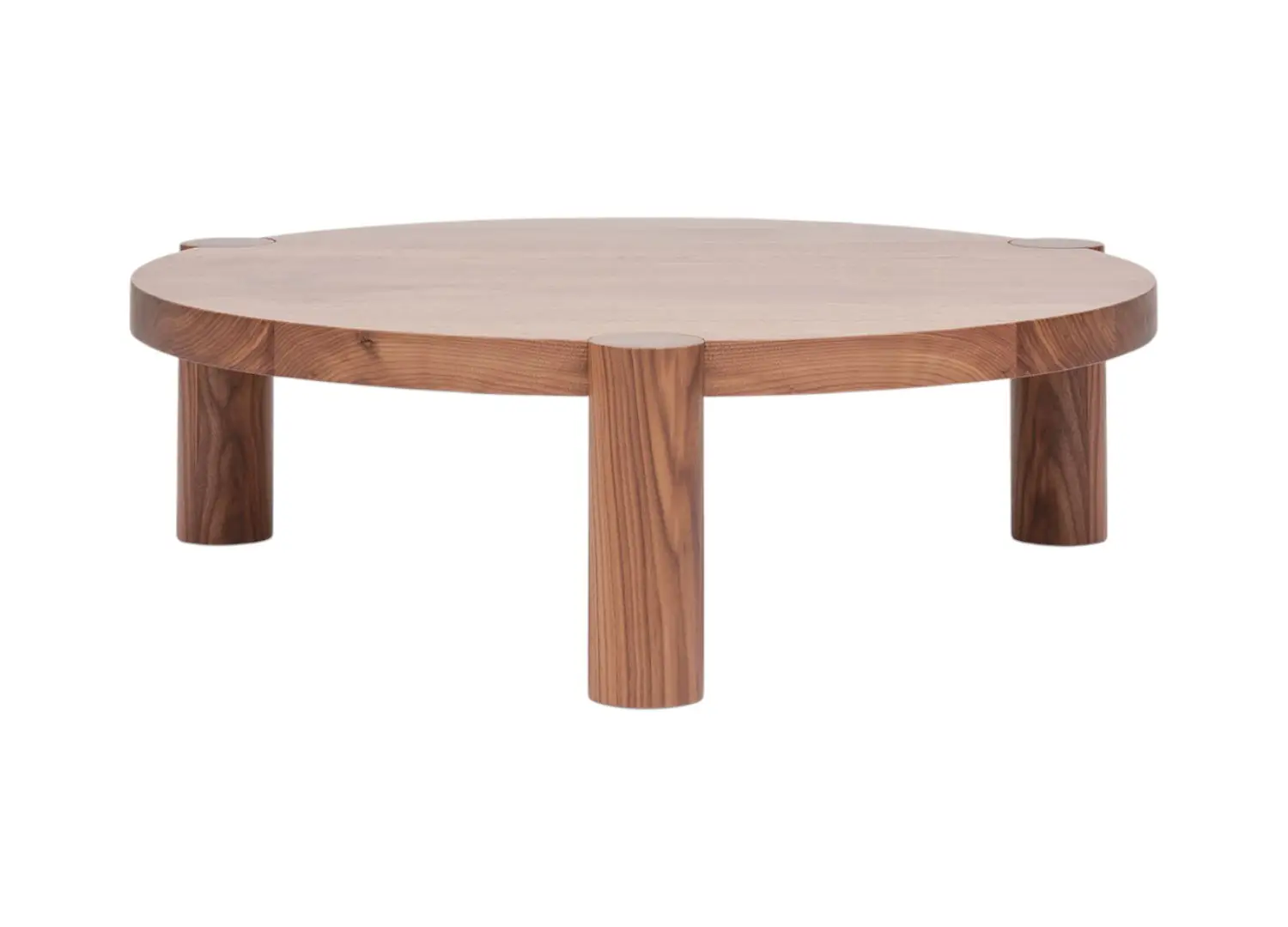
Pictured: Breadstick bench and table | Photography courtesy of SKUPA>
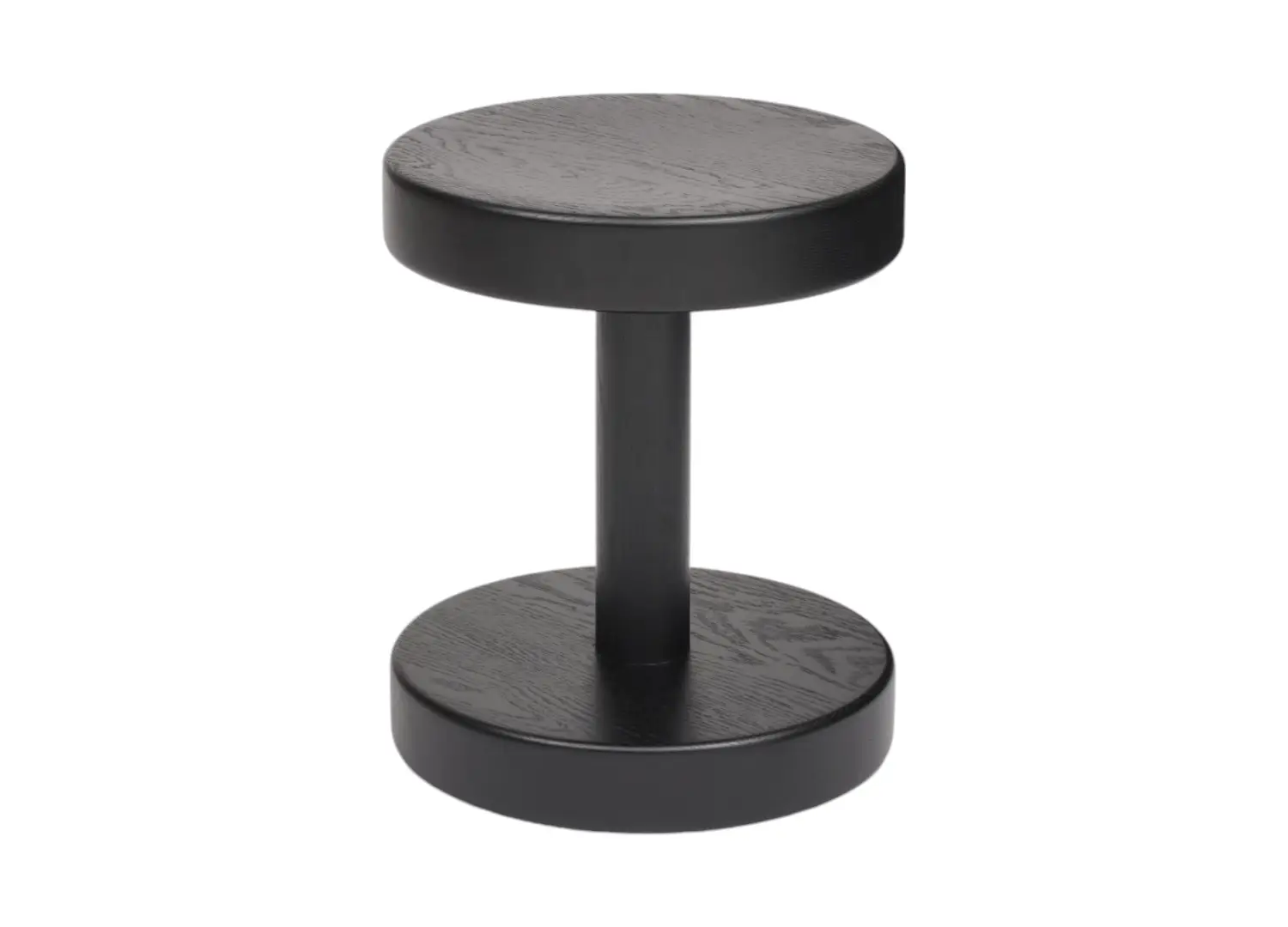
Pictured: Screw table | Photography courtesy of SKUPA>
Boris spent decades crafting bespoke joinery for architects and designers. What elements of that discipline are most visible in the SKUPA> collection?
Luke Tošić: Joinery quickly teaches you about precision and restraint and overcomplication shows—and often fails. So clarity is central: clean junctions, honest structure, nothing trying too hard. Many of the “quiet” details come straight from joinery, how edges are resolved, how strength is hidden, how pieces feel solid without being heavy. You might not notice it at first, but you feel it when you use it.
SKUPA> pieces have been included in high-end Australian residential projects. How do these collaborations inform your approach, and what does it mean for the brand’s place in Australia’s design landscape?
Luke Tošić: Residential projects keep you honest and real clients live with the pieces every day, so there’s really nowhere to hide. These collaborations teach you what matters long-term: comfort, durability, proportion, and whether a piece still feels right six months later once the novelty wears off.
In terms of Australia’s design landscape, we’re part of a growing appetite for furniture made properly here, with real material integrity. We’re not trying to compete with mass production; we’re practicing a considered, higher-trust way of making.
Solid timber underpins the collection, chosen for integrity and repairability. What draws you to this material, and how do you see it ageing over time?
Luke Tošić: We’re drawn to solid timber because it’s honest; it wears in, not out. You can repair it, re-finish it, and keep going — it doesn’t become landfill the moment it gets a mark. Ageing is part of the point. Timber changes over time: colours shift, small knocks happen, edges soften slightly. I like that. It becomes a record of life rather than something you have to protect from it.
Your furniture is described as pieces that “grow with you through life.” How does this philosophy inform the way you design for longevity and emotional attachment?
Luke Tošić: We avoid trends, and we believe that if a piece relies on a fashionable shape to feel relevant, it’ll date quickly. We focus on proportion, comfort, and details that hold up over time. Longevity is also practical: repairable finishes, solid joinery, and parts that can be reworked if needed. Emotional attachment comes from trust — if a piece behaves well for years, you start to care about it. It stops being “a chair” and becomes your chair.
“…we’re part of a growing appetite for furniture made properly here [in Australia] with real material integrity. We’re not trying to compete with mass production; we’re practicing a considered, higher-trust way of making.”
— Luke Tošić
yolo by Pattern | Photography by Tom Ross
Brothers Luke and Ziggy Tošić of SKUPA>
Joinery and furniture at SKUPA> are made side by side, by the same hands. How does that shared workshop culture shape the outcome of each piece?
Luke Tošić: When the same people are building high-pressure bespoke joinery and furniture, you get a discipline that’s hard to fake. The workshop culture is very direct: if something isn’t right, it gets fixed, not explained away. It also fosters cross-pollination. A solution from a joinery install might influence a furniture detail, and vice versa. The furniture isn’t treated as a “product line”—it’s treated as proper work.
As Élan continues its work in bespoke joinery, how has SKUPA> developed its own identity while staying connected to that parent practice?
Luke Tošić: Élan is the foundation; craft, systems, standards. SKUPA> is more distilled. It’s less about solving one-off project problems and more about refining a set of pieces until they feel inevitable. The connection is in quality and approach. The difference is intent, SKUPA> is about objects with a life beyond a single project—pieces that can move houses, move cities, and still make sense.
Avalon Tennis Pavilion by Mathieson Architects | Photography by Romello Pereira
What lessons from working alongside your father feel most important to carry into this next chapter of SKUPA>?
Luke Tošić: Two things: don’t cut corners, and don’t let ego drive decisions. Dad had a calm obsession with doing it properly, even when no one would notice. That’s where real quality lives.
I’ve also learned long-term relationships matter more than short-term wins: with clients, designers, and within the team. That’s what keeps the work strong year after year.
Congratulations on the opening of your Sydney showroom last year. What did you want people to feel when they step into the space?
Luke Tošić: I wanted it to feel calm and real. Not precious, not intimidating—just considered. Like you could actually live with the pieces, not just look at them.
The other goal was to let the materials speak. Timber looks and feels different in person. You understand the scale, the edges, the softness, the weight. The showroom is meant to slow people down, to help them trust what they’re seeing and feeling.
How do you see SKUPA’s role shaping or contributing to the broader discourse of Australian furniture design?
Luke Tošić: I see our role as advocating for substance for pieces that aren’t disposable, for making that is hands-on and accountable. Australia has a strong design culture, and it’s getting stronger, but there’s always tension between what’s fast and what lasts. SKUPA> sits firmly on the side of lasting. If we contribute anything to the broader conversation, I hope it’s proof that local manufacturing, solid materials, and restraint in design can feel like a relevant and meaningful investment.
Avalon Tennis Pavilion by Mathieson Architects | Photography by Romello Pereira