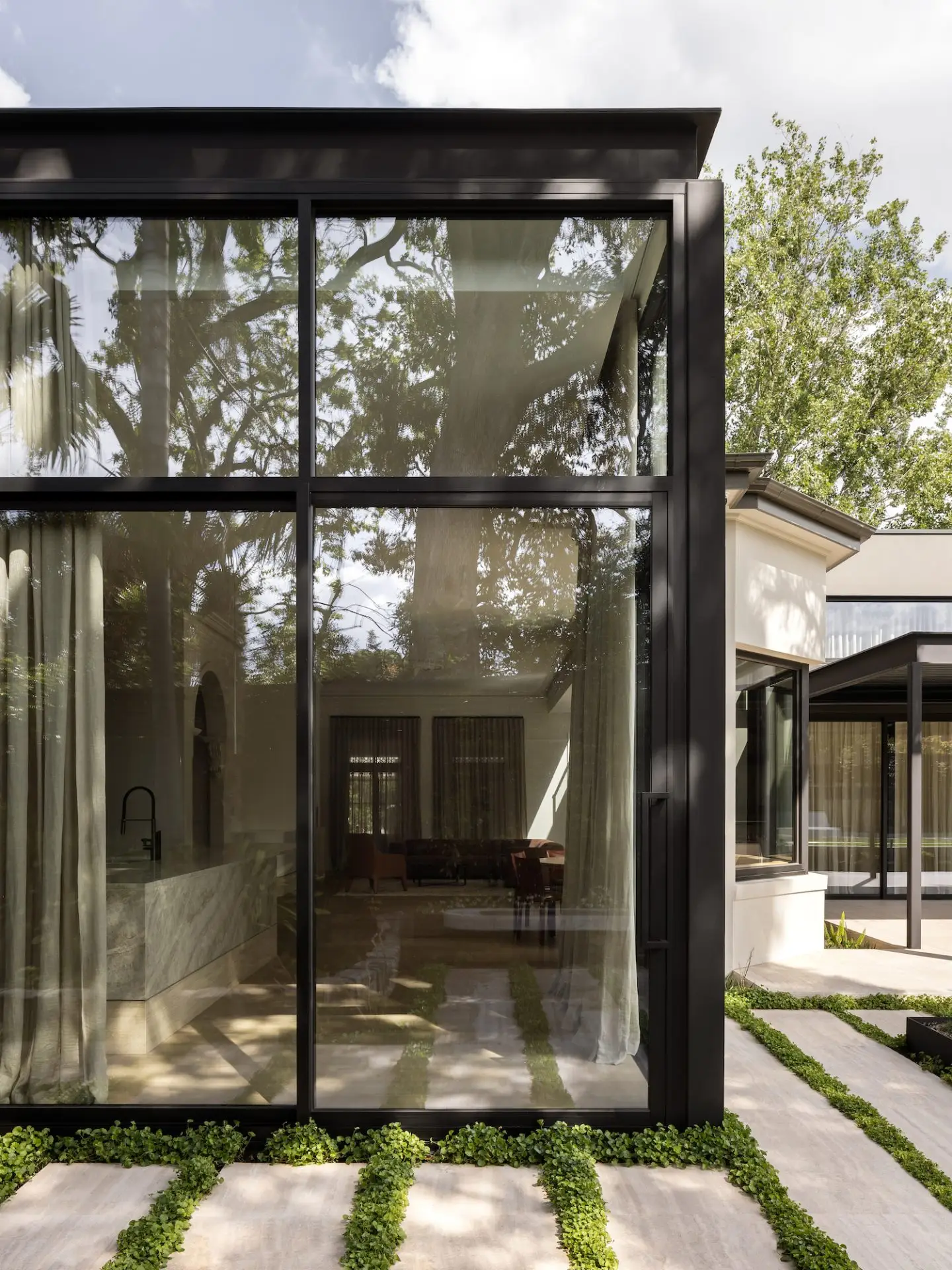
“Good design can change people’s lives; it is as simple as that,” says director Kate McCluskey Kyle, a designer that brings heritage and materiality into sharp focus—crafting interiors where history and modernity meet.
For McCluskey Kyle, design is as much about storytelling as it is about form, with a practice centred on curiosity, restraint and context. McCluskey Studio’s approach is about balancing the past with the present through subtle gestures and finely honed detail. Here, she shares her perspective on working with heritage buildings, the creative possibilities found in materiality and texture, and the value design can bring to everyday life.
What drew you to the field of interior design?
Drawn to design from an early age, I would often reinvent my childhood bedroom with colour and decor—this became a formative memory that influenced my career trajectory. Building on this interest, I initially enrolled in an art, design, and photography program which led to pursuing a Bachelor of Design in Interior Design at RMIT. Before graduating with first class honours, I spent three years immersed in design culture in Europe and the UK—a transformative experience that allowed my curiosity in international design history to flourish.
What’s your starting point when designing a space?
At McCluskey Studio, we value taking the time to deeply understand our clients at the start of each project, connecting with their needs and values. Informed by the way our clients inhabit and interact in a space, we prioritise functionality and cohesiveness, never overlooking the space in between. Our work interrogates volume, transition and the interplay of site and context, delivering compelling interior spaces that foster robust interior experiences.
Your work often bridges heritage with modernity in unexpected ways. Can you share some of the thinking that goes into this approach?
We excel at reimagining heritage interiors and are really excited by it, finding expression in sympathetic design gestures that creatively honour qualities of the past. By focusing on perfecting the interior detail and form, curiosity and creativity can flourish enabling at times bold gestures and dramatic counterpoints without overwhelming spaces, balance and restraint always.
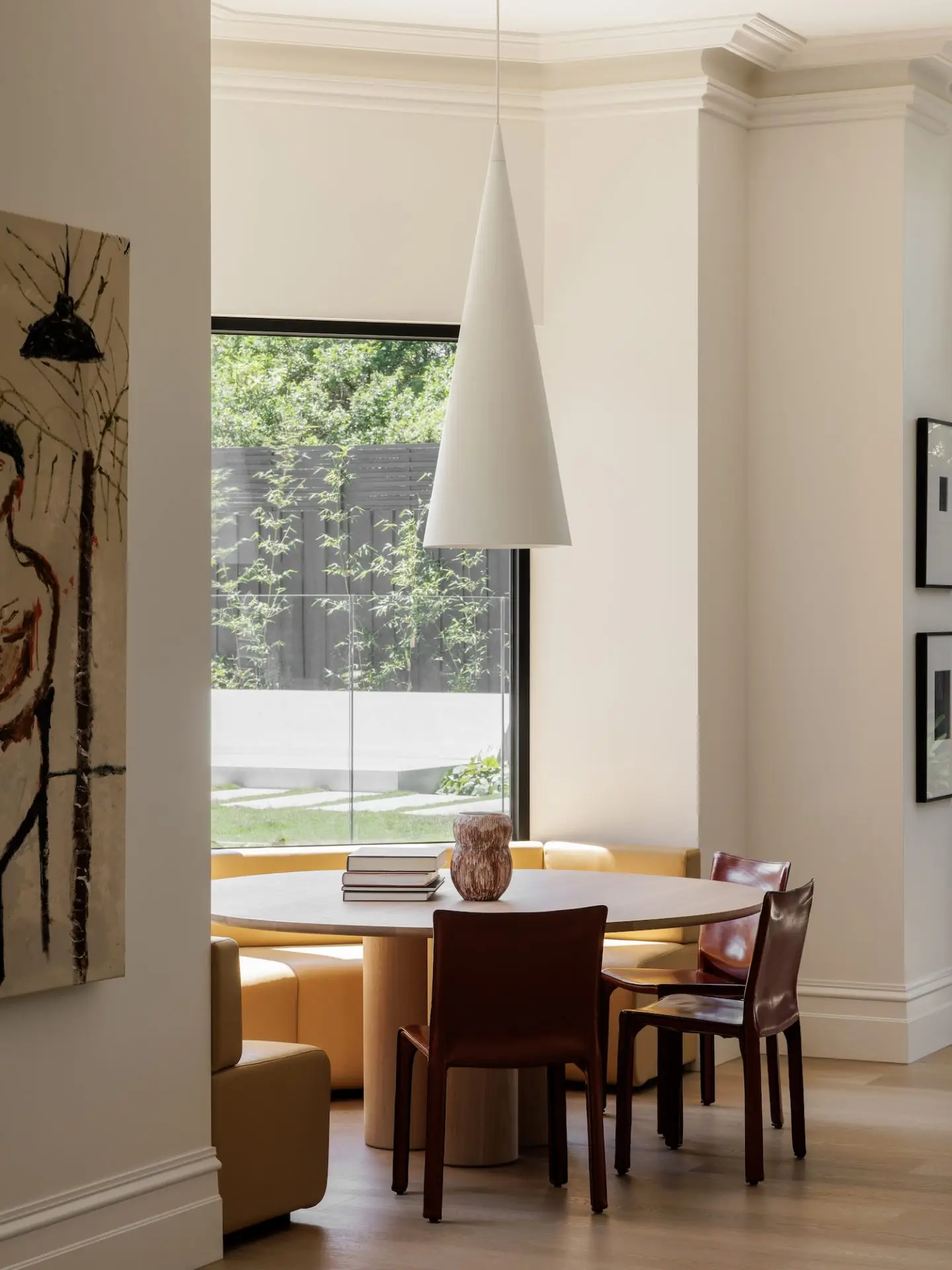

For McCluskey Kyle, having a well-designed home can transform all aspects of your life.

Garden House uses repetition and repeating gestures to create subtle but reinforcing details throughout, such as the stone repeating in different iterations.
Do you ever find constraints in working with heritage buildings, or do they push you toward more creative solutions?
Each project comes with its own individual set of challenges and learnings, some that you can plan for and others that appear throughout the project. This does create the opportunity for creativity in both the problem solving and aesthetic outcomes.
At Garden House, for example, the council’s preference was for the extension to contrast with the existing house, however, we approached this modification in form rather than materiality—incorporating double height voids and highlight windows as opposed to contrasting materials. Our aim throughout was to keep the transition calm and tonal, with subtle textural changes.

Heritage and materiality are at the heart of McCluskey Studio’s work.

Kate McCluskey Kyle trained at RMIT, before living and working abroad, an experience that no doubt informed her ability to work effortlessly with heritage architecture.
Your projects often have strong materiality, what role do texture and craftsmanship play in your design process?
Layered yet pared-back, elevated yet approachable, our interiors embrace an understated presence, belying the rigour of their composition. This approach means that texture and materiality become crucial to each space’s overall success. In addition to the curation of finishes, furniture and soft furnishings, designing bespoke pieces of furniture and cabinetry is another way McCluskey addresses functionality and liveability with ingenuity and flair.
At Garden House, we were able to foster spatial linkages via subtle accents reappearing in different contexts, consistently underscored by warmth and tactility to create oasis-like living spaces. The black-figured marble in the powder room reappears in the formal dining room as the bar and servery, and is reimagined as custom pull handles for the freestanding cupboard flanking the fireplace.
How do you approach storytelling through design, particularly with commercial or hospitality work?
Much like we would approach a residential project, hospitality and commercial spaces require the same level of intimate understanding of client goals and aspirations. It then becomes a process of pulling out the key aspects and weaving that through the design informed by brand values or cuisine/dining contexts.
We spent a lot of time recently at Orlo, working with owner James Klapanis on his vision for a lived-in experience in what was essentially a brand-new hospitality location. What resulted was the conversion of a heritage-listed former cordial factory in Melbourne’s Collingwood into a nostalgic and community-centred restaurant, set across three levels with four unique dining spaces.
In what ways do you see the value that design can bring to people’s lives?
Good design can change people’s lives; it is as simple as that. When we think of the amount of time we spend in our homes and private spaces to social and work environments, having well designed experiences can be transformative to all aspects of our lives. McCluskey seeks to deliver pragmatic, layered and responsive design outcomes that enhance lives and enliven spaces.

A key part of the design process for McCluskey Studio is “taking the time to deeply understand our clients at the start of each project, connecting with their needs and values.” This was the process when working on Victorian Villa.

Working with the heritage bones of an old cordial factory in Collingwood, Orlo is an exploration of nostalgia-tinged hospitality, where lived-in materials create a space with soul.