Helsham House, a 1970s residence within Sydney’s North Shore, preserves its mid-century identity in a contemporary update tailored to family living.
Located in Sydney’s North Shore, interior architect Phoebe Nicol respectfully updates a Modernist 1970s residence for contemporary family living.
Originally designed in 1974 by Peter Hall, design architect for the completion of the Sydney Opera House, Helsham House stands as a hallmark of Australian Modernist architecture. The home’s design prioritised function and simplicity within an L-shaped footprint, where open-plan living, abundant light and a timber-dominant palette imbue the surrounding bushland—elements the owners wanted to retain in a modern renovation.
“Heritage preservation with contemporary comfort was at the core of our approach,” Sydney interior architect Phoebe Nicol says. “Equally important was our understanding that a home must reflect the people who live in it. We worked closely with the family to weave their personality into the design—through custom detailing, curated materials and a layout tailored to their daily life.”
The kitchen design is “simple but considered,” Nicol says. The focus of the space is an expansive four-metre island composed of blackened stainless steel and CDK Stone Navona travertine. Overhead, a B-TD Formation Stick pendant light has a slim, refined presence, balanced by a Santa & Cole Comdín wall lamp.
Thoughtful inclusions complement the kitchen’s understated design, such as the Vico Magistretti counter stools, a Sophie Vaidie vessel and a Guillerme et Chambron oak stool. In cohesion with the island, the benchtop and splashback are CDK Stone Navona travertine. The Button knobs in Satin Nickel are from Noble Elements and the sculpture is by Scott McNeill.
Through a gentle reworking, the layout of the three-bedroom, two-bathroom home maximises spatial flow to encourage fluidity and openness between spaces. On entering, the once ‘tucked away’ kitchen now seamlessly transitions into the living area. Similarly, the primary suite is an open volume with no interior walls for a direct connection to the walk-in robe and en suite. A first-floor addition, comprising two bedrooms and an adjoining bathroom, enjoy verdant views of the outdoor terraces.
The material palette takes its cues from the landscape—timber, cork and stone—anchoring the home’s mid-century identity. Timber ceiling battens offer a warm, textural backdrop above cork flooring, faithfully restored to match the existing joinery. Accent stones, like Esmerelda Haze Quartzite in the powder room and family bathroom, balance the timber-rich palette with soothing green tones. Only in select areas are modern materials carefully introduced, with a standout moment in the kitchen, where blackened steel cabinetry pairs with travertine benchtops in a harmonious meeting of old and new.
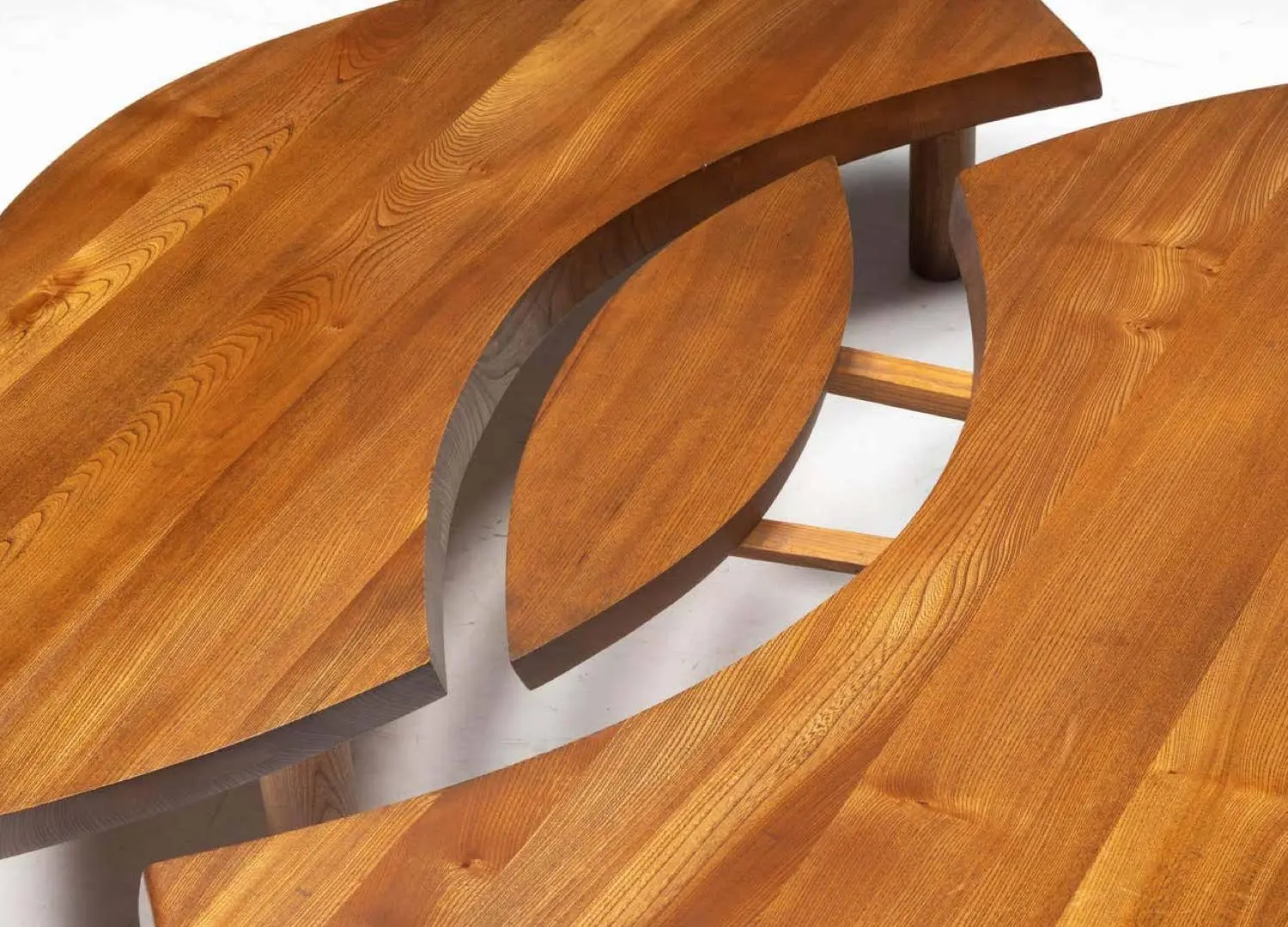
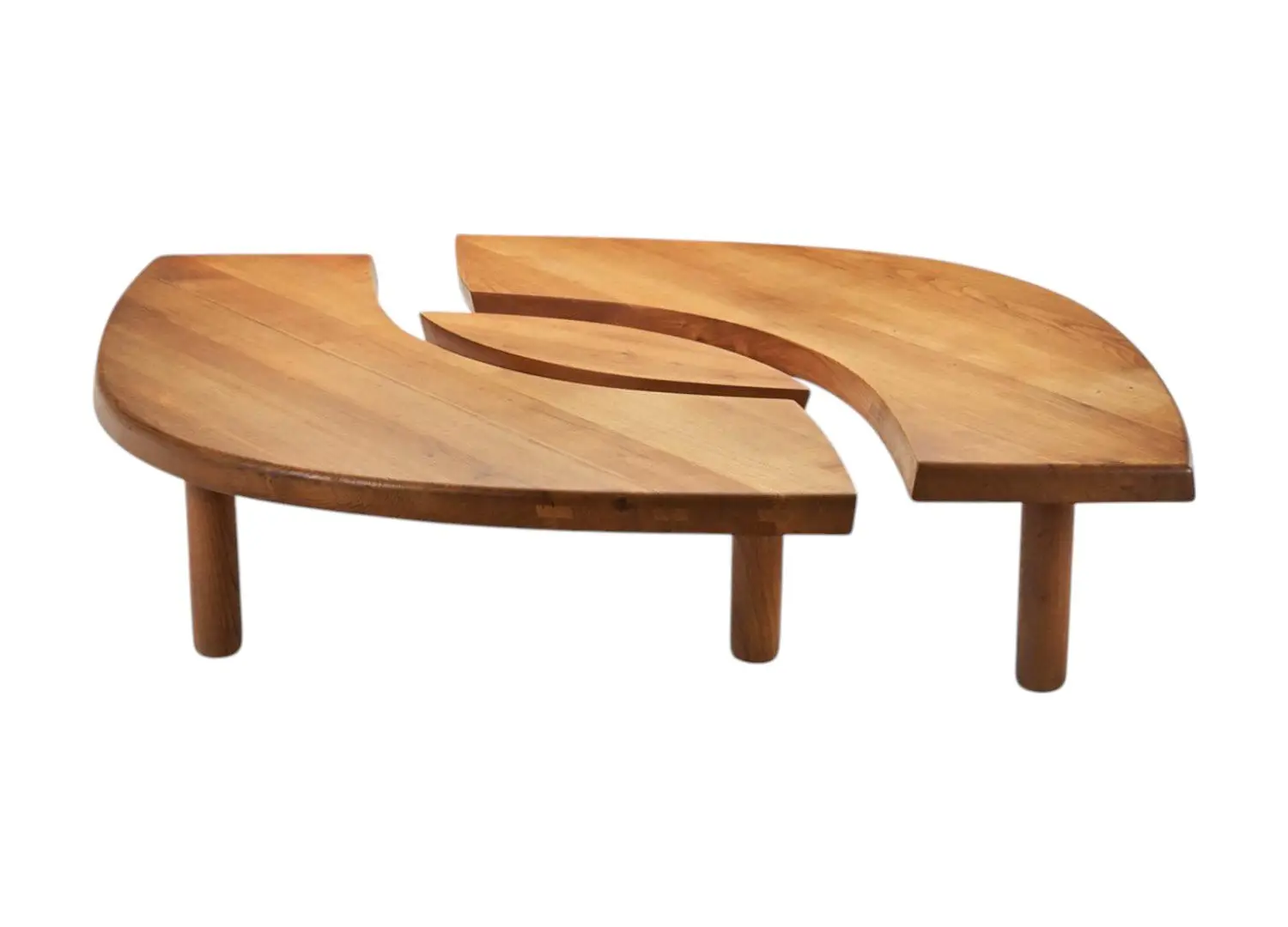
The 1970s travertine dining table creates a sculptural moment in the living area with softly curved Pierre Chapo Early S38A benches. The De Coene Frères 1970s oak credenza adds a sense of textural intrigue opposite ‘Painting Concerning The Past and The Future’ (2023) by Morgan Stokes, from Curatorial + Co.
“The use of natural stone nods to the original home’s earthy textures, while the sleek steel injects a modern sculptural quality that quietly complements—not competes with—the timber and cork used throughout the house,” Nicol says.
Reinforcing the home’s pragmatic design, furnishings are simple and well-crafted, often from the 1970s and characterised by organic shapes and forms. A 1970s travertine dining table creates a sculptural focal point in the living area accompanied by French aluminium-framed mohair sofas, also from the 1970s, and a Verner Panton rocking chair with gentle, fluid curves.
A neutral palette sets a calm, cohesive tone throughout the home, with off-white walls a minimalist foundation to allow the architectural details to take centre focus. Elsewhere, sheer window treatments softly diffuse natural light, such as in the living area where floor-to-ceiling glass doors open onto the outdoor dining terrace.
The result is a home that balances the needs of modern family living while honouring its architectural past.
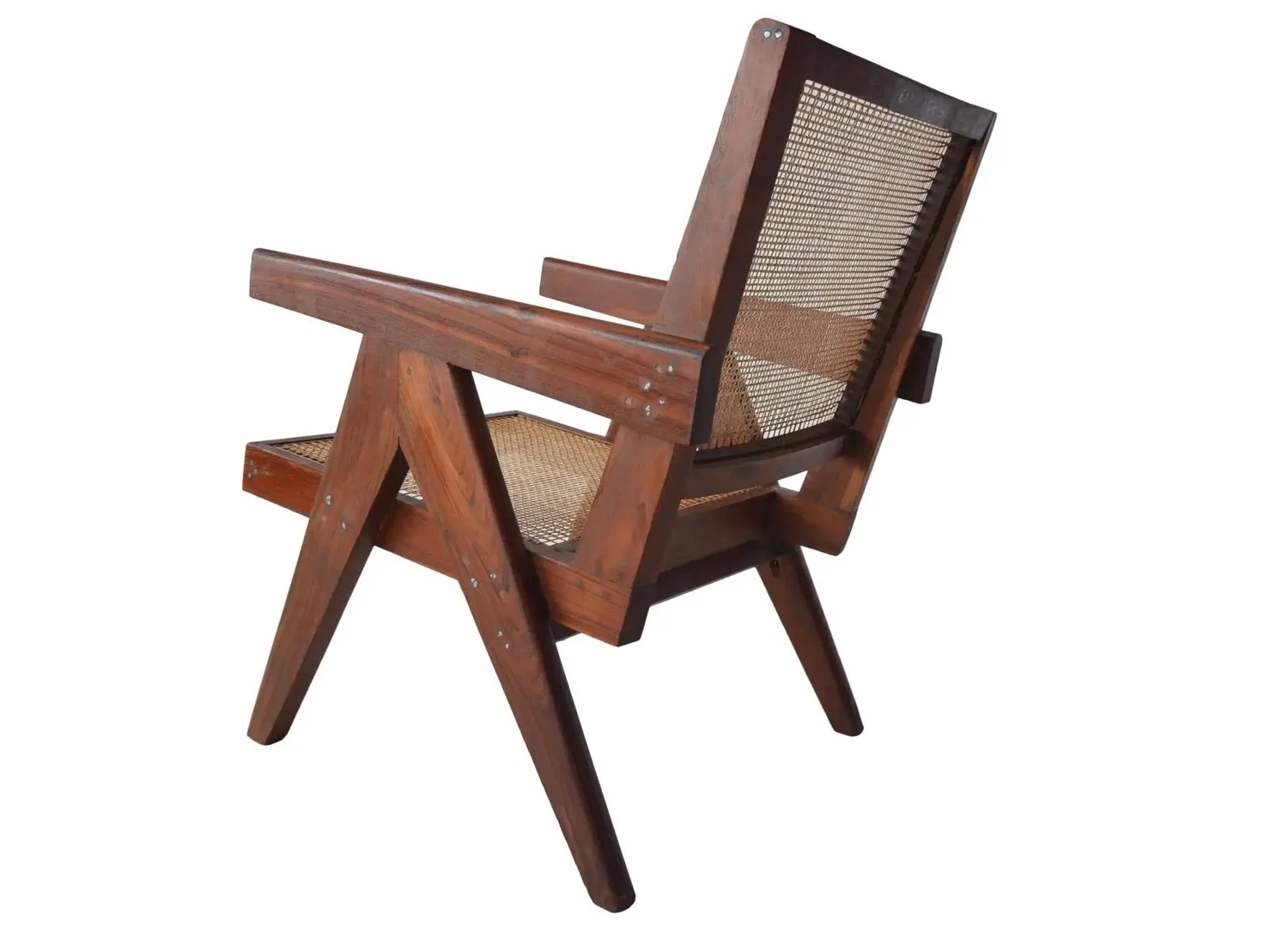
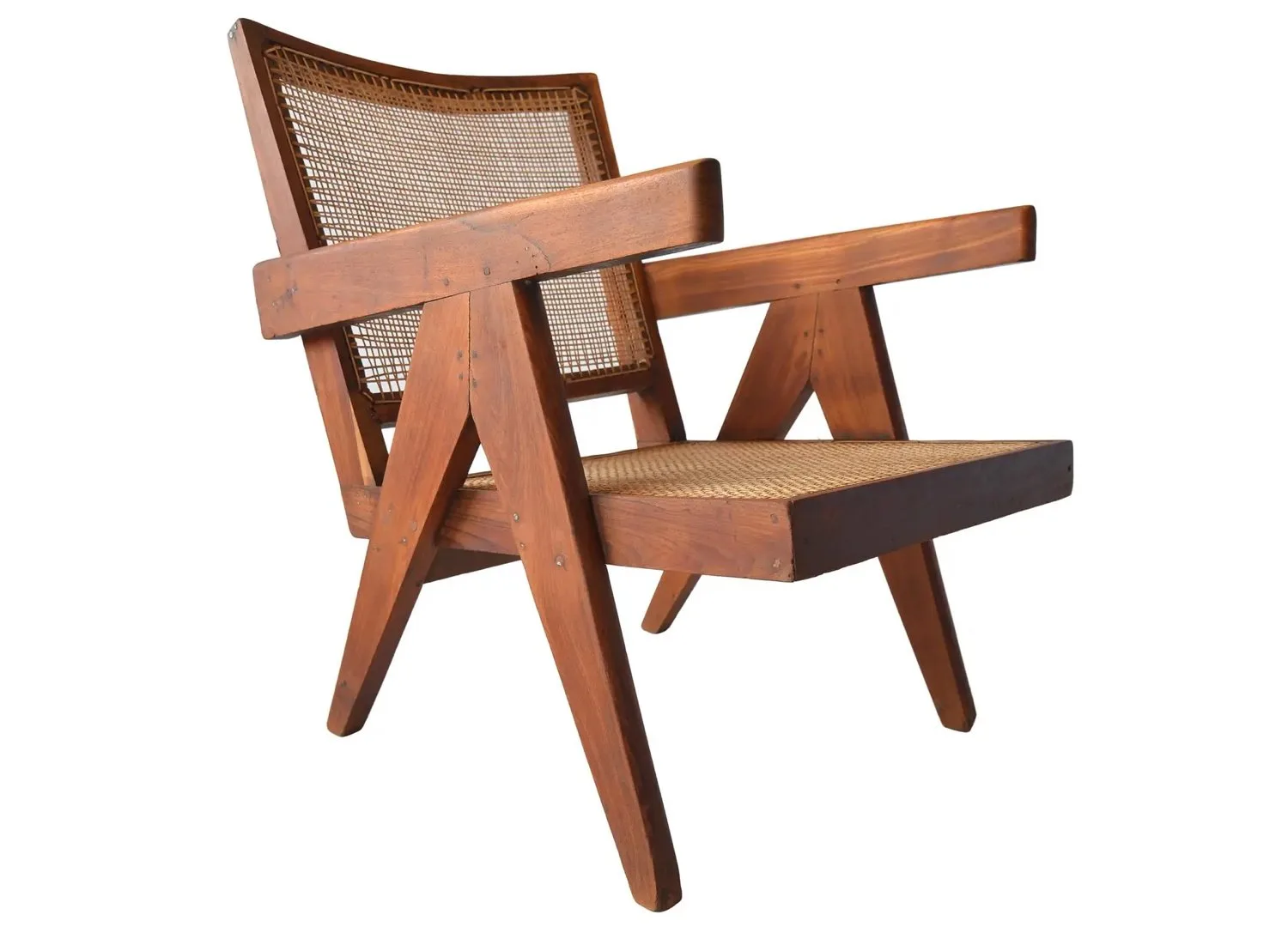
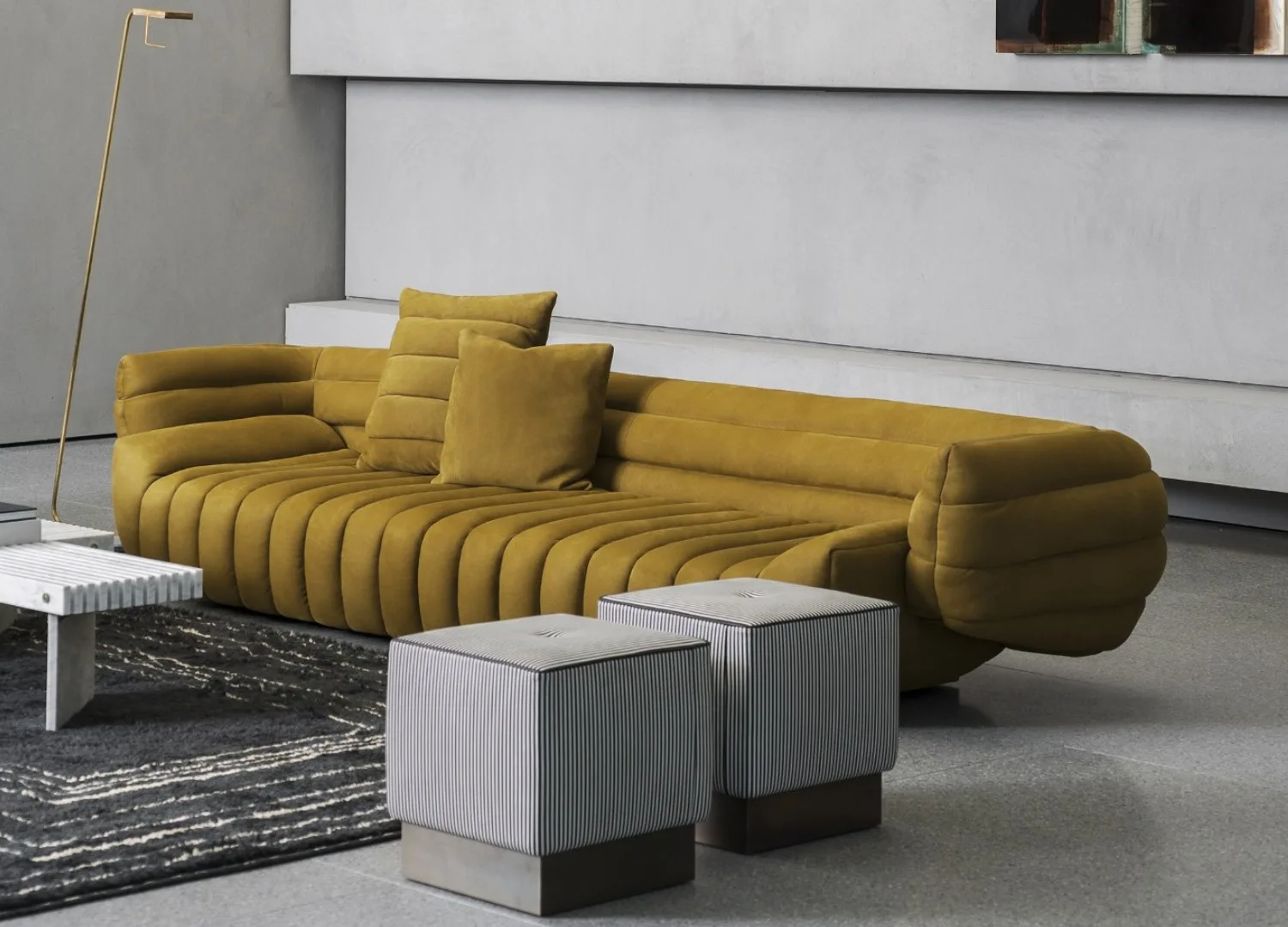
“We opted for sleek, low-profile furniture with clean lines,” Nicol says, noting a preference for organic silhouettes to fit the home’s mid-century heritage. Select pieces include a Sophie Vaidie ceramic side table, a 1920s Belgian floor lamp and a woodfired ceramic vessel, Verner Panton rocking chair, Pierre Jeanneret Easy chair, and the Baxter Tactile sofa.
Framed by floor-to-ceiling doors, the living area is bathed in natural light. A Verner Panton rocking chair and a Pierre Jeanneret Easy chair add sculptural interest atop The Flooring Company Tannin cork tiles. The Sophie Vaidie ceramic side table and ceramic vessel. The walls are painted in Resene Bianca.
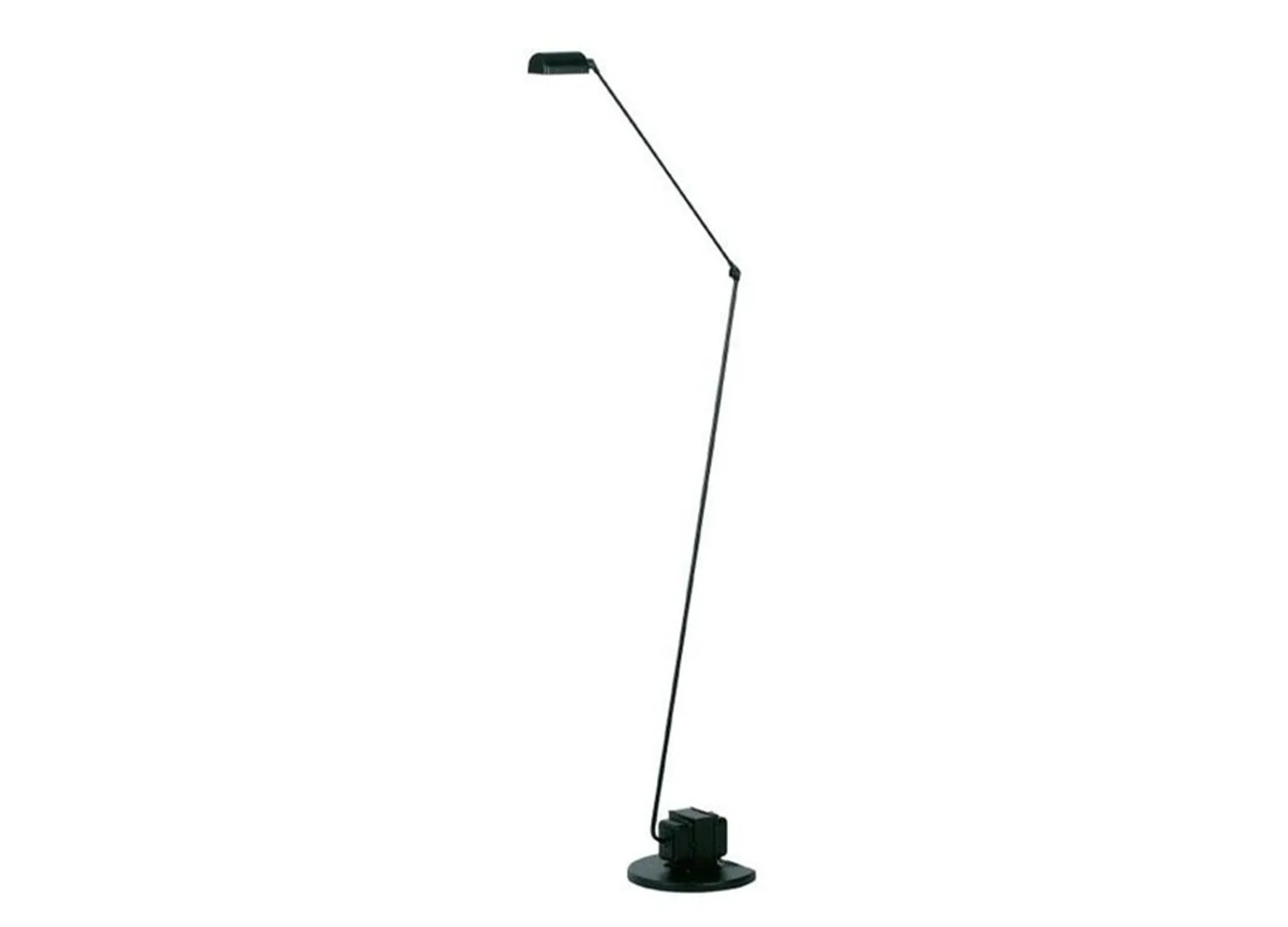
The 1970s French aluminium and mohair sofas emphasise the living area’s mid-century character. An Armadillo Sequoia rug adds warmth alongside layered lighting including the Hans-Agne Jakobsson Edda wall sconce and the Lumina Daphine floor lamp.
The bedroom features WOODCUT Antique Smoked and Limed timber flooring and New Age Veneers Torino Veneer joinery. A curated selection of mid-century pieces includes the Pierre Jeanneret Easy chair and 1970s rattan lamp. Noble Elements Button knobs in Aged Brass complete the room’s minimalist aesthetic.
In the bathroom, the vanity—made from Torino Veneer joinery by New Age Veneers and topped with CDK StoneEsmerelda Haze quartzite—strikes a soothing material balance. The hardware adds a quiet refinement with Brodware Industrica tapware and Noble Elements Button knobs in Satin Nickel. The walls are finished with a microcement wall treatment, complementing the The Outdoor Eco Bluestone crazy paving floor tiles.
Reminiscent of the original floors, The Flooring Company Tannin cork tiles sit in harmony with the bedroom’s timber details. Joinery in New Age Veneers Torino Veneer is paired with Tapatex Linum linen inserts and brass Noble Elements Globe pulls. A Hans Agne Jakobsson Edda wall sconce sits beside a Morgan Stokes art piece, ‘Depart, Remain Triptych’ (2024), from Curatorial + Co., and CULTIVER bedlinen.
The bathroom is cocooned in a serene pairing of natural stone and timber. An ivory-streaked CDK Stone Navona travertine ledge sits above Eco Outdoors Bluestone crazy paving tiles, while microcement creates a seamless wall finish. Finishing touches include a Guillerme et Chambron oak stool, Jacques Vilet framed still life and Angelo Mangiarotti marble bowl, as well as Brodware Industrica tapware and an Emporean Once Milano fringed bath towel.