DKO Founder and Principal, Koos de Keijzer, and Clemence Harvey de Keijzer have transformed their country home into an off-the-grid sanctuary i n Central Victoria. Perched atop a ridge in the Cobor Ranges, the property offers sweeping northern vistas and a rare sense of quiet, a sanctuary carefully aligned with the rhythms of the landscape. “We were always looking for a house on top of a hill, with expansive views to the north,” Koos reflects. “We loved seeing the sun rise, the sun set, the moon come up it felt elemental.” For the couple, this home is a retreat from their busy urban lives, a place to recharge and reconnect.
Founded 25 years ago, DKO is a residential-focused practice known for its meticulous attention to detail, from bespoke city apartments to five-star resorts across the globe. “Seventy-five per cent of what we do has a bed in it,” Koos laughs. “We don’t do prisons or hospitals, but we do everything from luxury resorts to affordable homes in Sydney’s western suburbs.” The same ethos of considered design clearly informs his own home.
The Pastoria property is both a retreat from city life and a study in thoughtful design, a place where the landscape and architecture converse seamlessly. Sitting atop a ridge, the property commands vistas of rolling valleys and granite outcrops, its northern orientation bathing the interiors in morning and afternoon light. “The actual rocks are everywhere,” Koos reflects. “It makes the landscape very poignant—very special in an Australian context.”
Pastoria’s climate—a mix of hot summers and cold winters-played a central role in shaping the house. Eaves, slatted screens, and large overhangs modulate the sun, while natural ventilation ensures summer breezes flow through. In winter, wood fires and careful design keep the home warm. “The whole primal aspect of keeping dry and warm is really part of living in the country,” Koos explains.
Sustainability is seamlessly embedded in the home. The couple harvests rainwater, harnesses solar energy, and relies on a largely off-grid system that integrates with everyday life. “I believe that if you design a house correctly, you can make it sustainably seamless,” Koos says. “It comes down to window placement, size, shade, and allowing breezes through the house. These are simple but powerful principles.”
The materiality of the home speaks to both durability and authenticity. Exterior Castlemaine stone connects the building to its place, while interiors feature granite, onyx, and travertine. “Materiality plays a quiet but powerful role,” Koos reflects. “It will look good today, in five years, even in 50 years. Longevity is incredibly important.”
Despite their global travels and urban residences, the Pastoria house is intentionally aligned with a slower pace of life. Koos spends mornings walking through the surrounding forest with their dog, tending to the fire, and simply observing the natural rhythms of the property. “We wanted a sense of uncomplicated serenity—a place to relax and recharge,” he says.
“We wanted a sense of uncomplicated serenity—a place to relax and recharge.”
— DKO Founder and Principal, Koos de Keijzer.
Art is woven into the home, reflecting both personal taste and place. Indigenous works are thoughtfully integrated, alongside photographic pieces by Pauli Borland and Bill Henson, and a prized Tony Clark piece. Italian furniture, including a Molteni&C wardrobe from Milan, provides moments of delight and grounding. “Walking through the house, the moments that bring the greatest sense of joy are elemental,” Koos says. “The sun creeping through the windows, the moon rising, nature unfolding outside-these are the things that make me happiest.”
The home is a testament to considered living, where light, material, and landscape coalesce. It is a sanctuary designed with both intellect and intuition, a space where architecture meets daily lite in quiet harmony. “Our tastes are aligned, Clemence and I,” Koos says. “This house reflects who we are, and how we want to live.”
Pictured: the B&B Italia Vol Au Vent chairs underneath the Flos Belt suspension lamp by Ronan & Erwan Bouroullec.
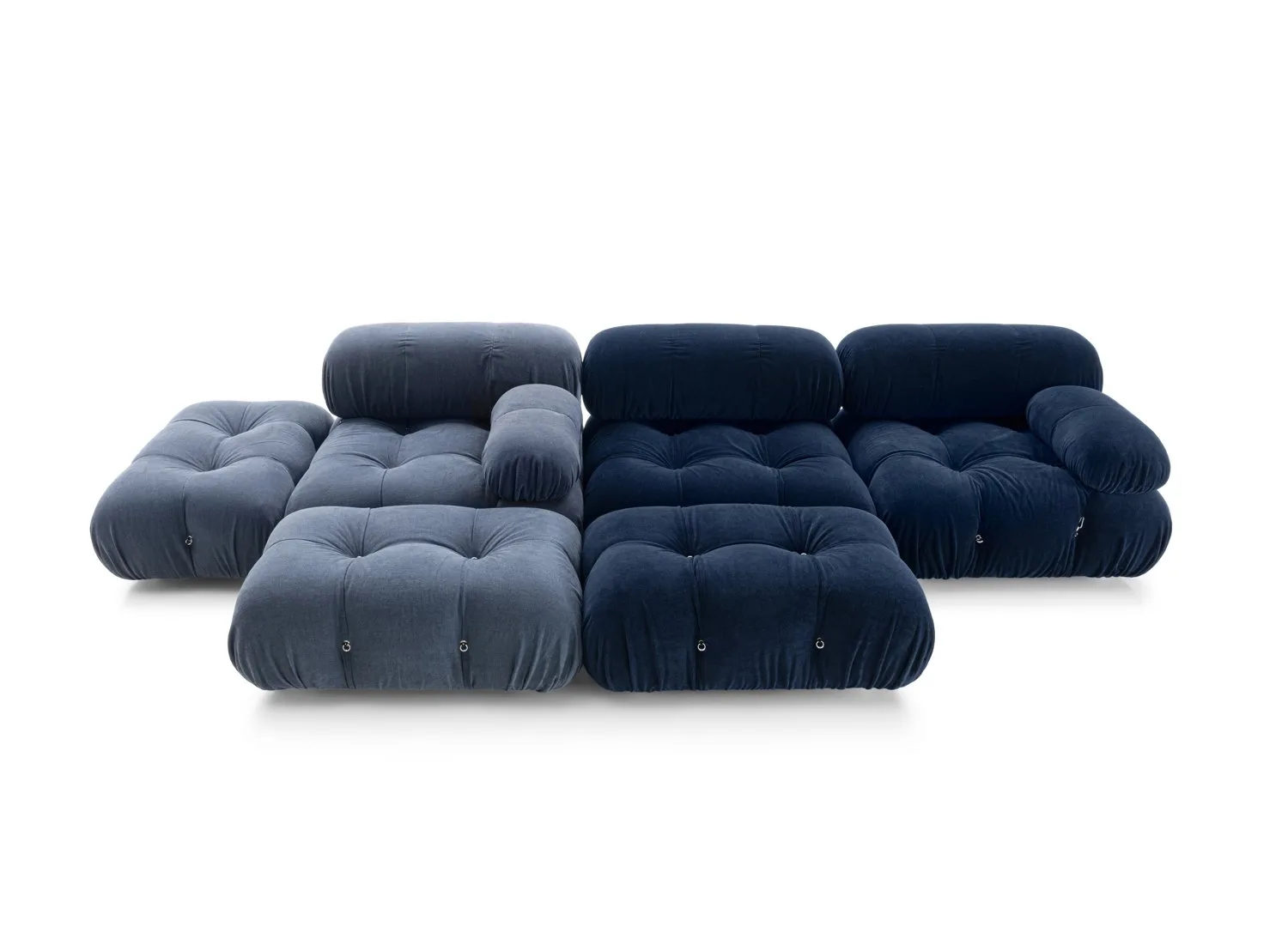
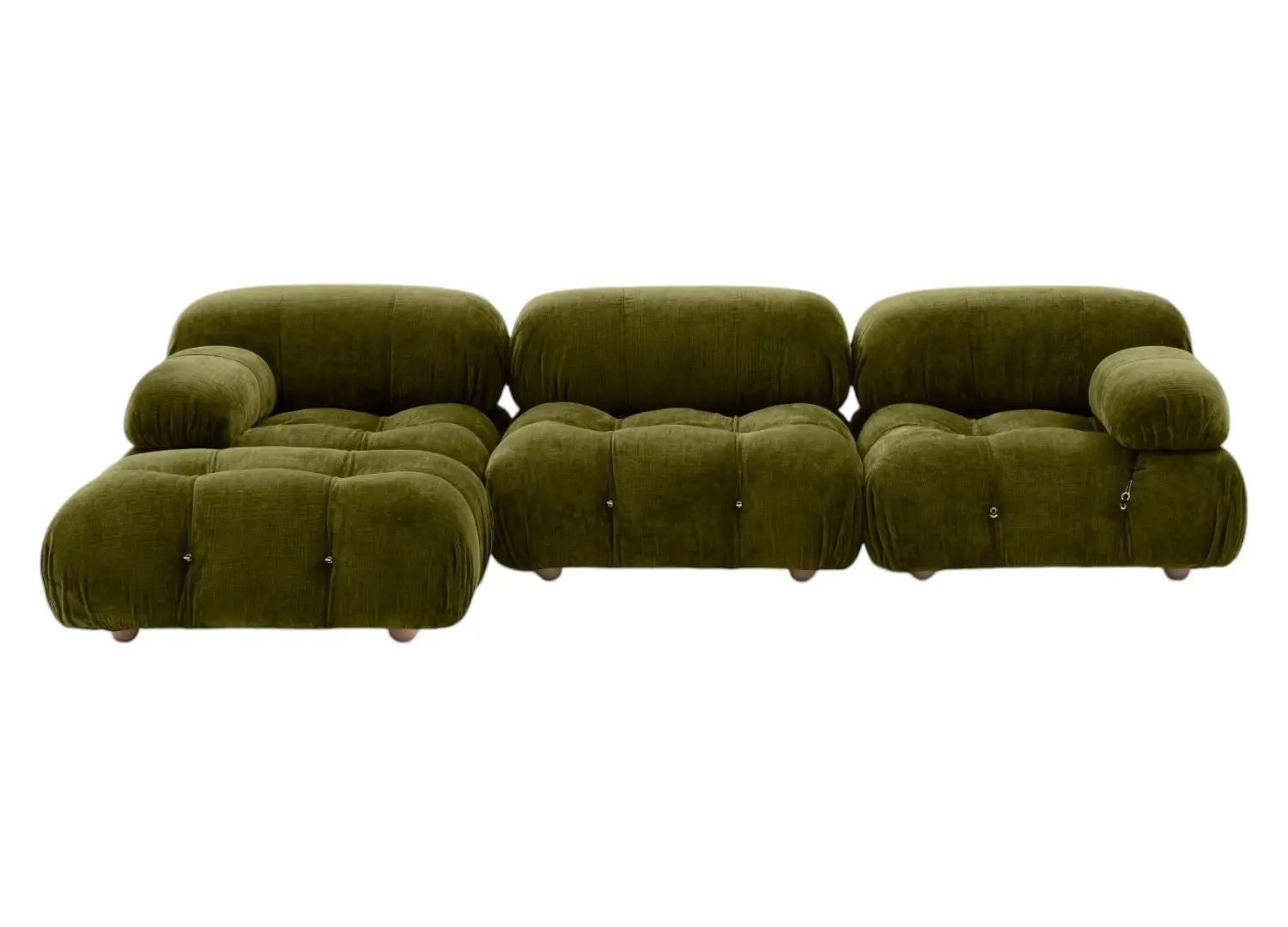
Pictured: the Cassina Maralunga settee and Oluce Atollo 233, both by Vico Magistretti, alongside the B&B Italia Camaleonda sofa by Mario Bellini. To the side, the Vitra Wiggle side chair by Frank Gehry and the Yamagiwa Taliesin 2 by Frank Lloyd Wright.
Pictured: the Vitra Wiggle side chair beside the Yamagiwa Taliesin 2 by Frank Lloyd Wright.
Pictured: the Knoll Bertoia Diamond chair by Harry Bertoia paired with two Knoll Butterfly chairs by Jorge Ferrari-Hardoy, Antonio Bonet and Juan Kurchan.
A keen gardener, Clemence’s outdoor spaces are a living canvas for her design ideas.