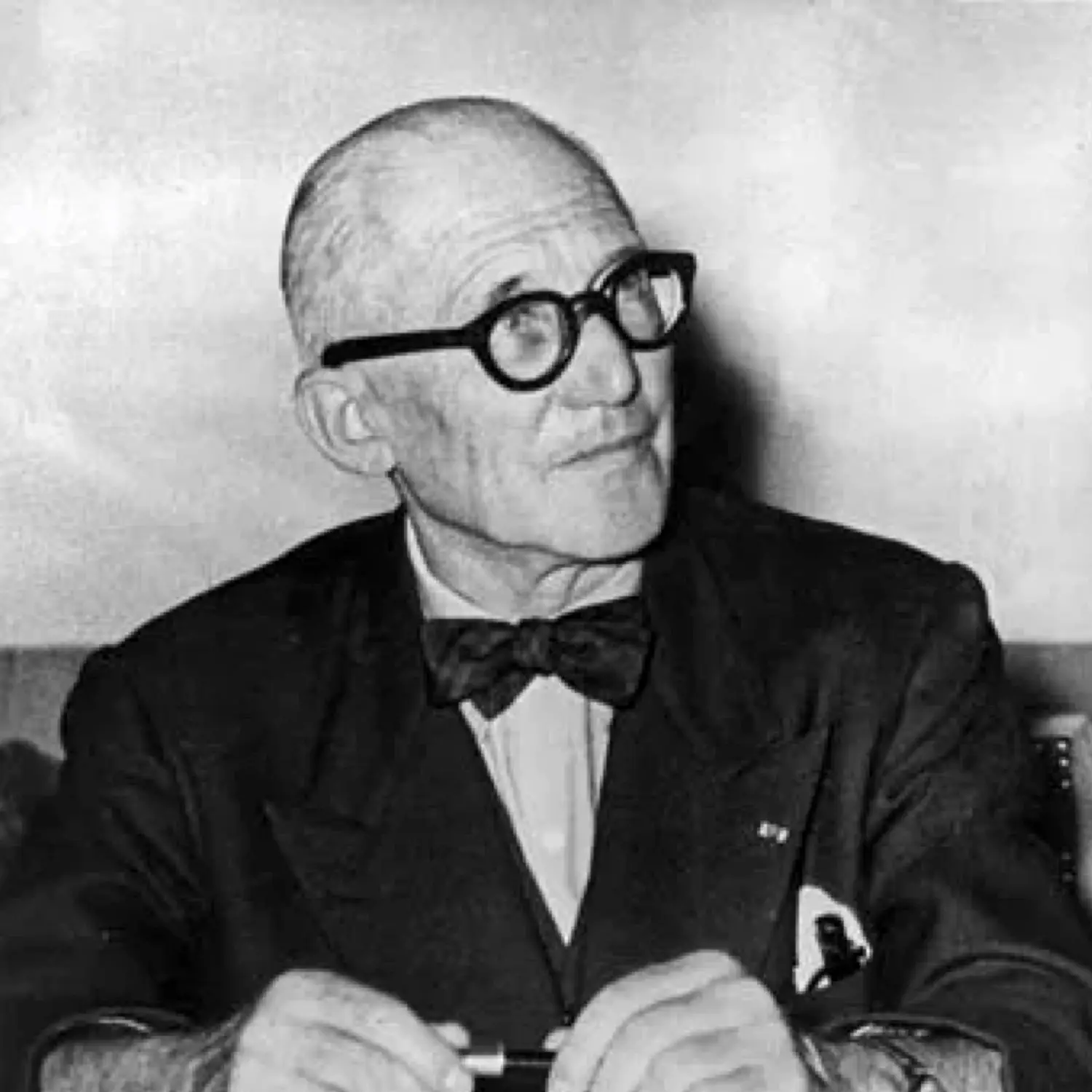
Swiss-French architect Le Corbusier was born Charles-Édouard Jeanneret in La Chaux-de-Fonds in 1887. He trained as an engraver before turning to architecture, then settled in Paris in 1917 and adopted his pseudonym in the early 1920s.
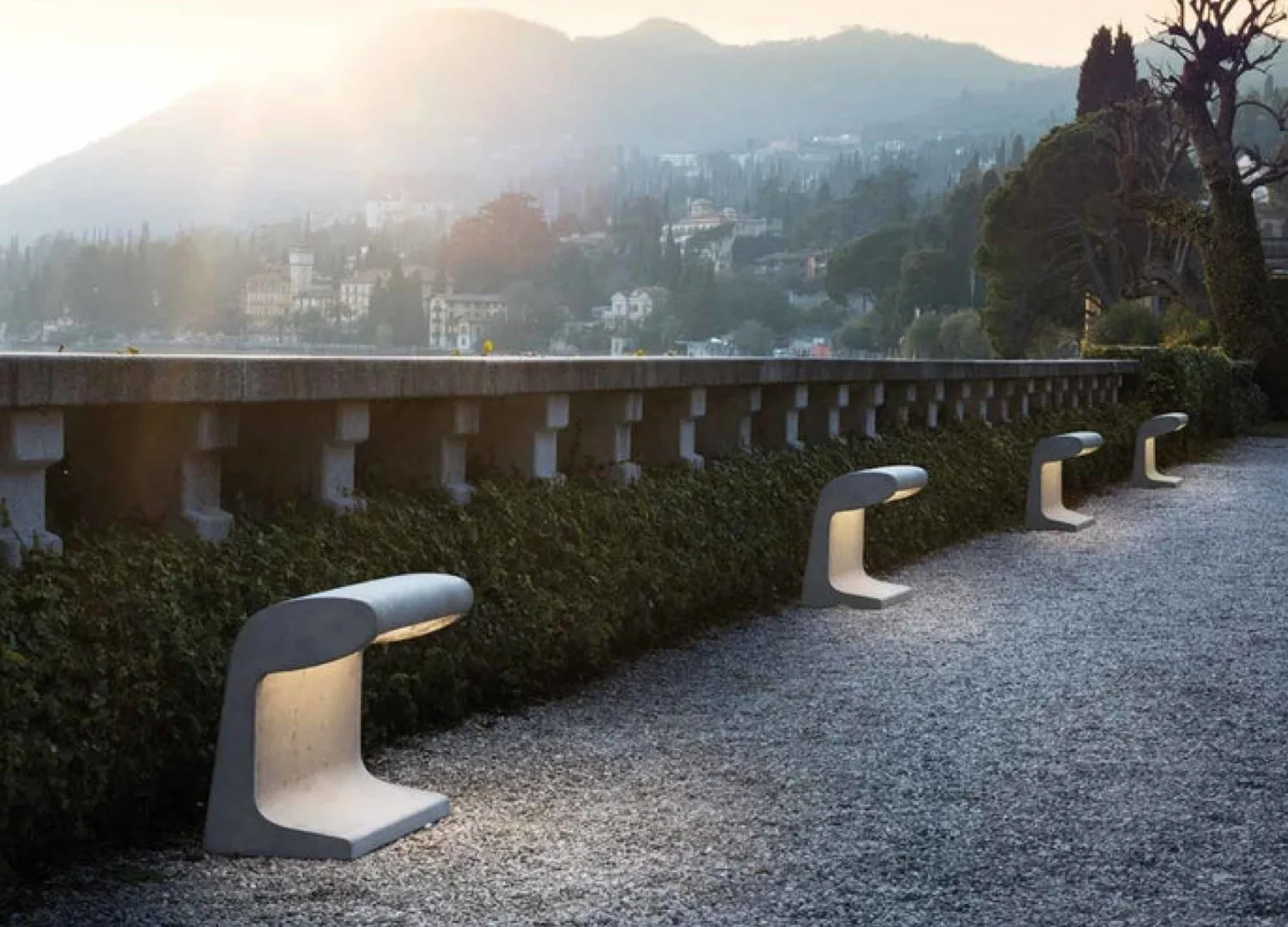
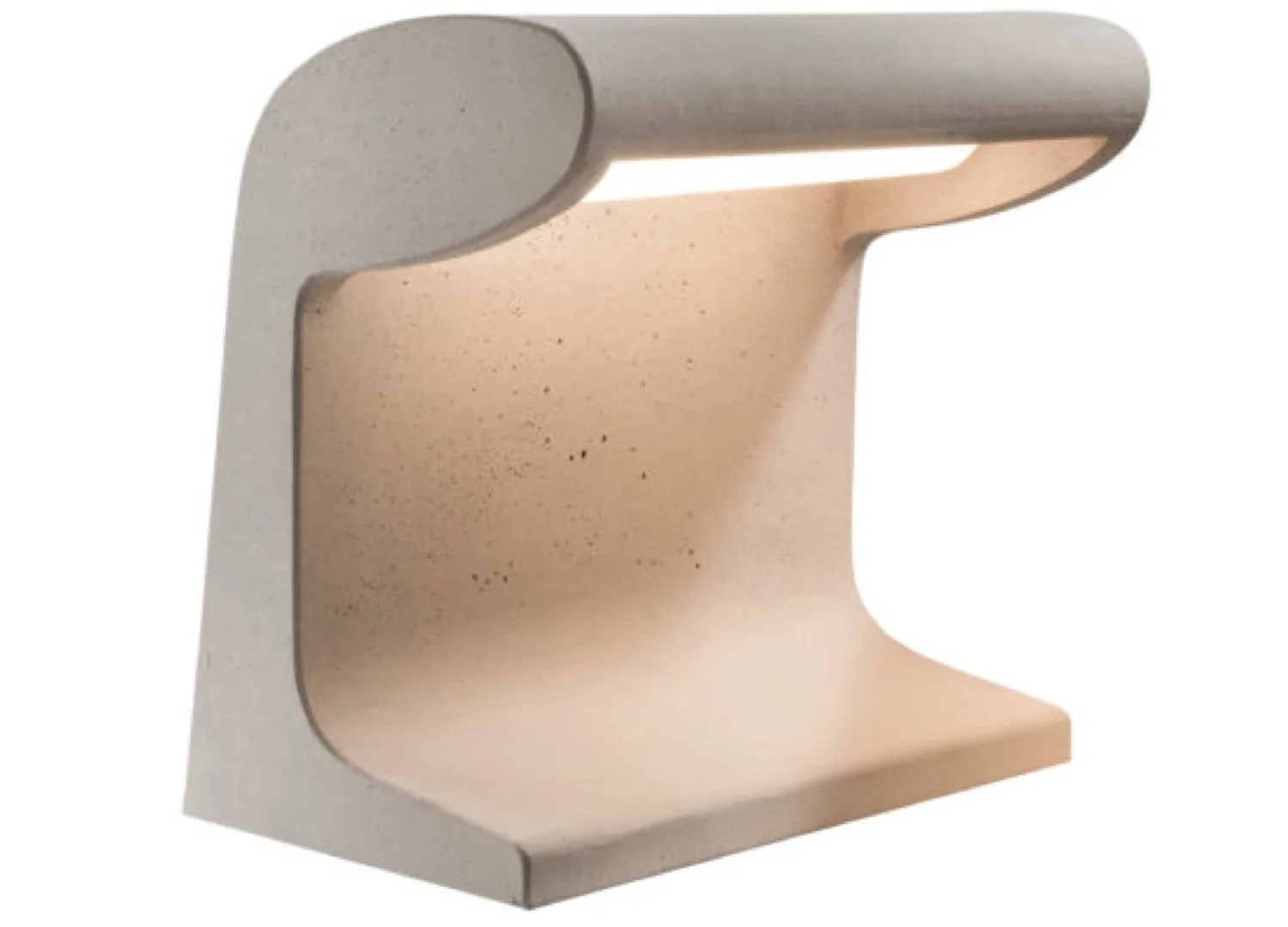
Le Corbusier is renowned as one of the most influential architects of the 20th century. His five points of architecture found their fullest expression in Villa Savoye, while the Unité d’Habitation in Marseille reimagined collective housing, and Notre-Dame du Haut at Ronchamp showed a sculptural side. He also planned Chandigarh in India. Smaller works reveal his attention to daily life: the wooden tabouret from his Cabanon, reissued by Cassina, the Lampe de Marseille and wall lights made by Nemo, and his Polychromie Architecturale colours.
He died at Roquebrune-Cap-Martin in 1965. Seventeen of his projects are on the UNESCO World Heritage List, and his ideas remain both admired and debated.