Herzog & de Meuron is an architecture practice founded in Basel in 1978 by Jacques Herzog and Pierre de Meuron, who studied together at ETH Zurich. It has grown into one of the world’s most influential firms.
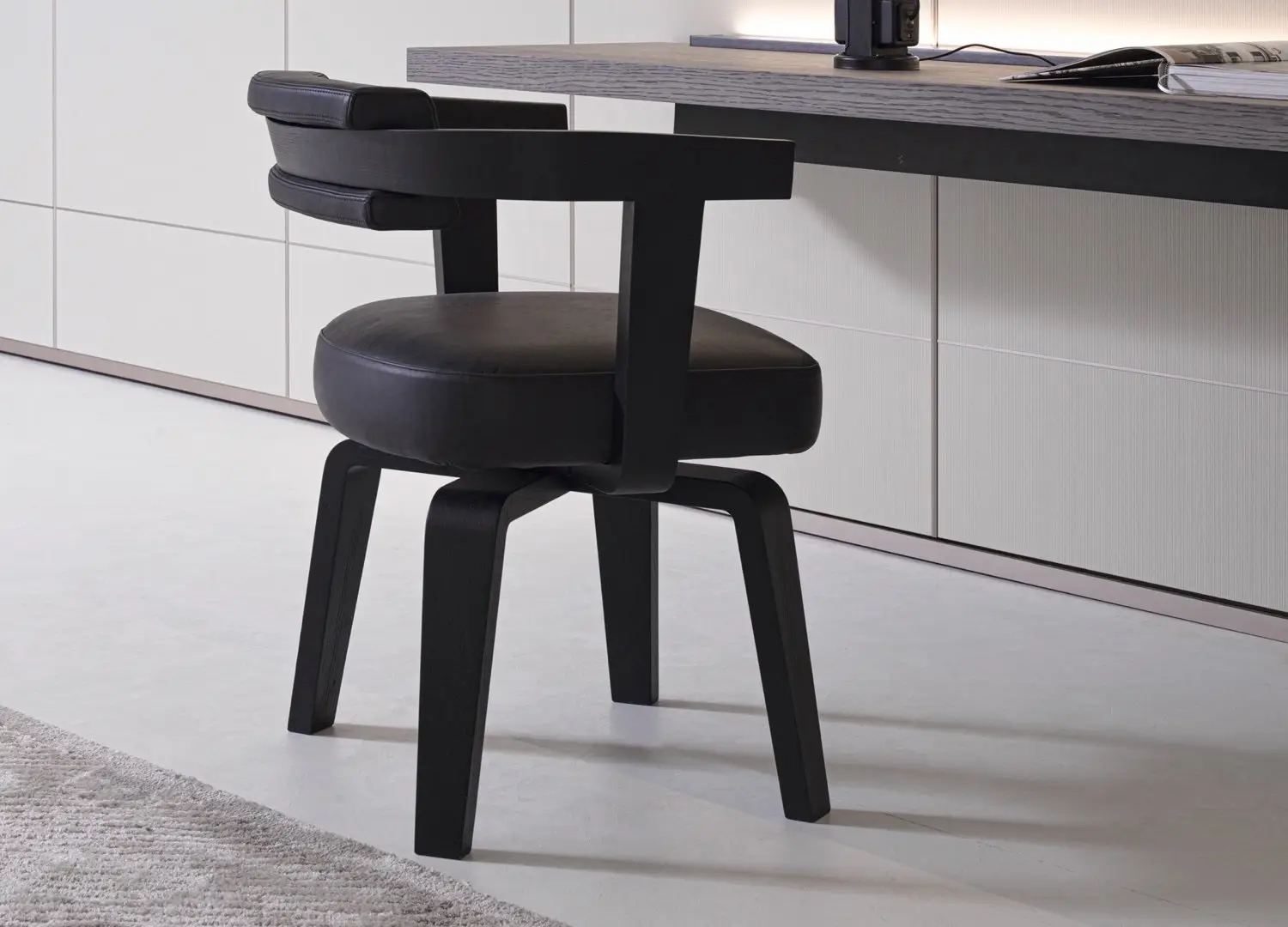
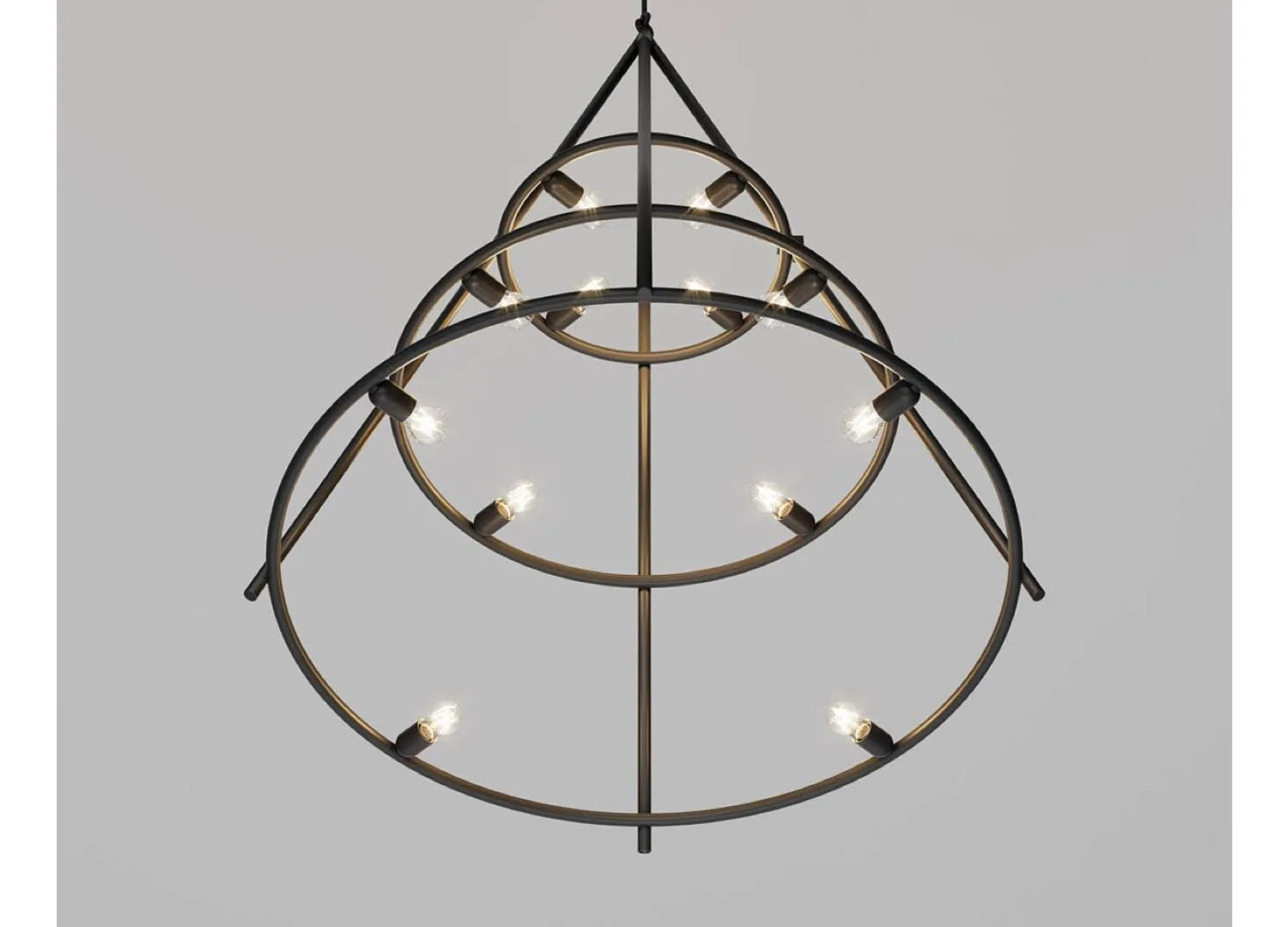
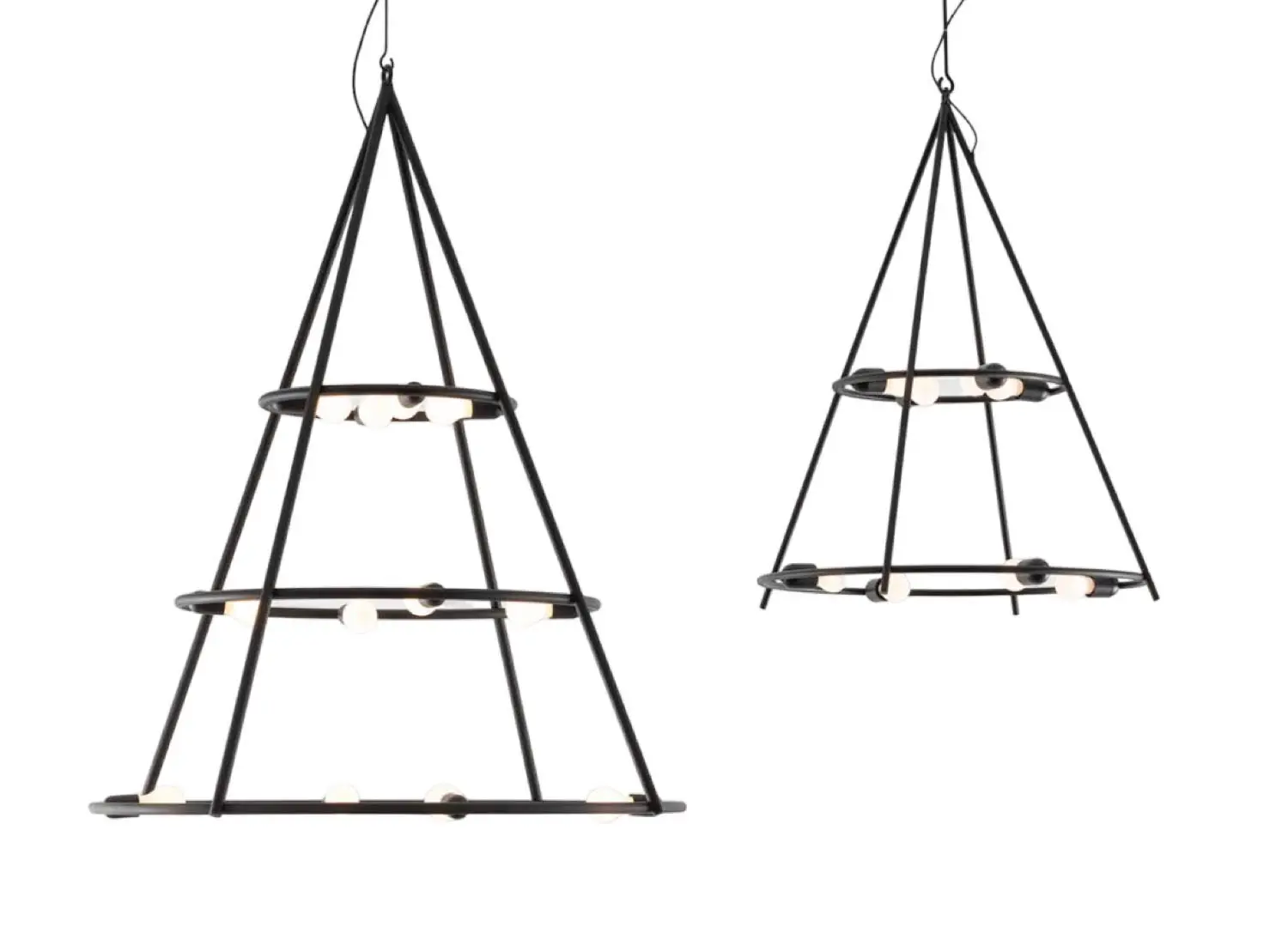
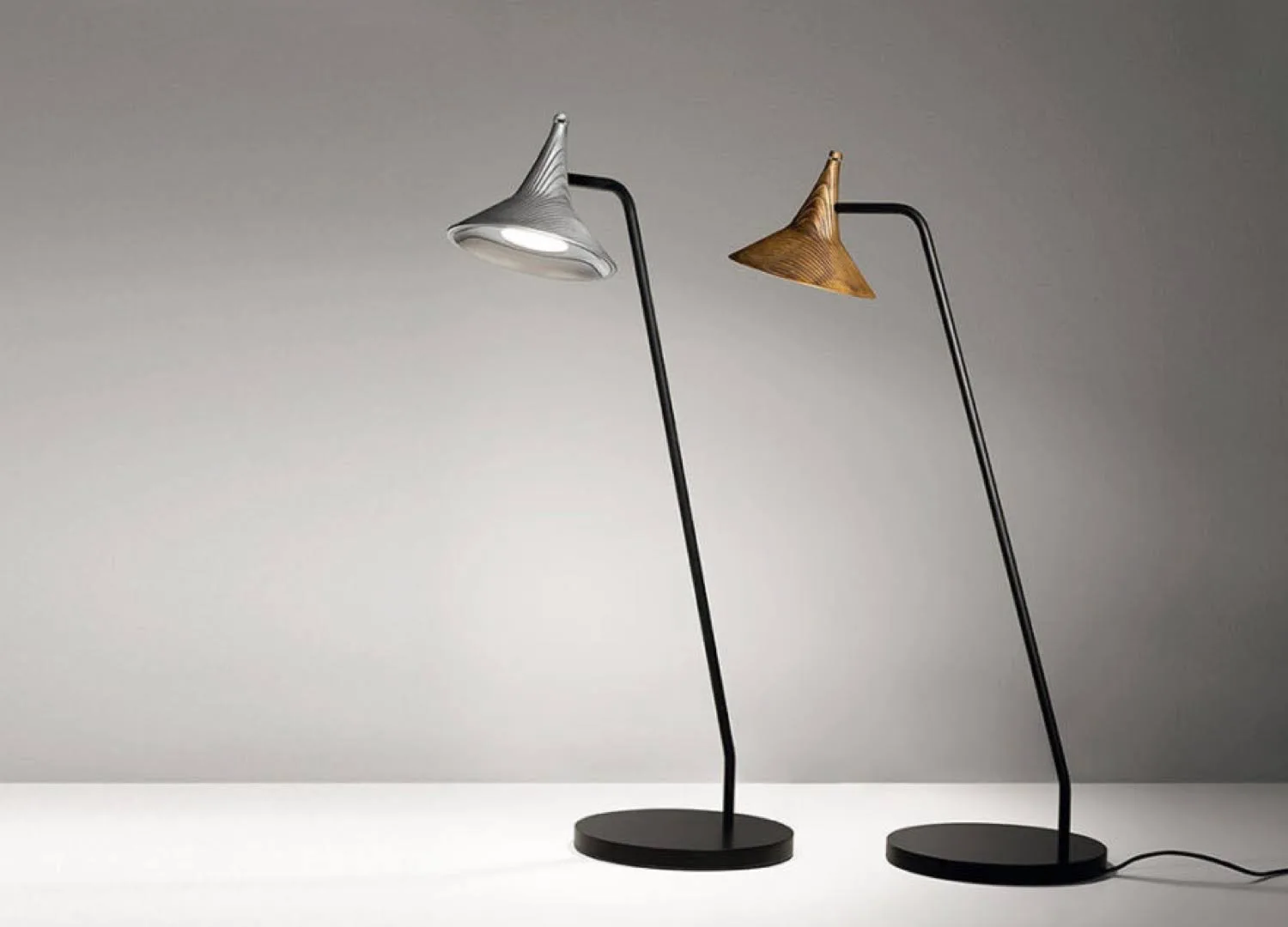
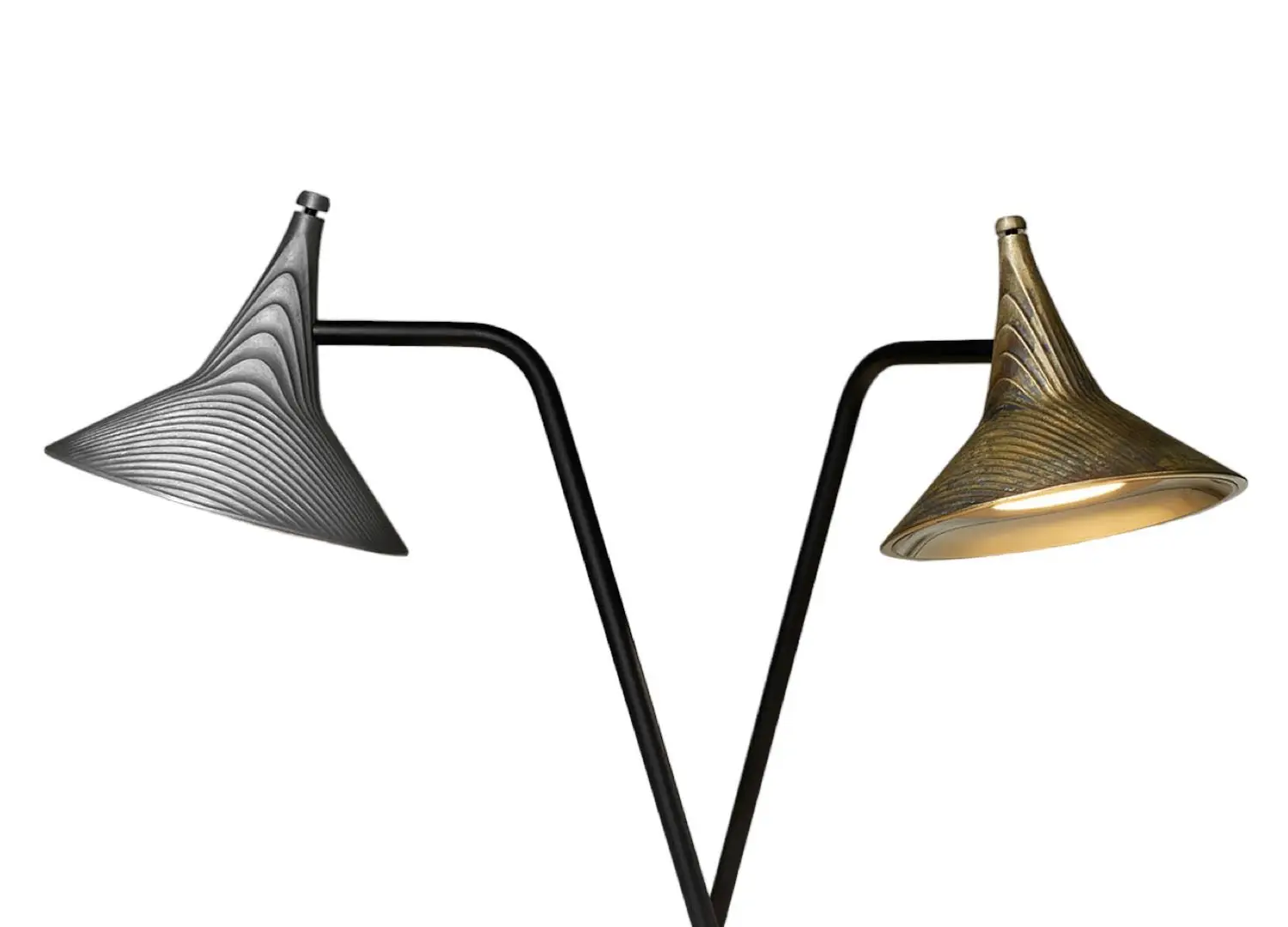
The practice is renowned for buildings that experiment with materials and surfaces, from the conversion of a London power station into Tate Modern to the Beijing National Stadium, the Elbphilharmonie in Hamburg and the M+ museum in Hong Kong. Its occasional furniture and lighting grow out of particular buildings: the Unterlinden lamp for Artemide began at the Unterlinden Museum in Colmar, and the Porta Volta pieces for Molteni&C come from the Feltrinelli building in Milan.
Winners of the Pritzker Architecture Prize in 2001, Herzog & de Meuron continue to shape the skylines and cultural landscapes of cities worldwide.