chevron-down
chevron-up

Design Destination | Ace Hotel Sydney by Flack Studio

The reception desk showcases a ceramic brick installation by James Lemon.

The first Ace property to grace the Southern Hemisphere; Ace Hotel Sydney reimagines a historic site while forging an artistic benchmark for modern Australian design.

Located within Surrey Hills heritage-listed Tyne House brick factory, the 257-room hotel blends the building’s rich industrial past with a contemporary aesthetic, creating a space that celebrates creativity, local craftsmanship, and the vibrant cultural fabric of its neighbourhood. Designed by Flack Studio, Ace Hotel Sydney reflects the studio’s characteristic warmth, layering natural materials, bold colour palettes, and curated art in homage to Australia’s unique design legacy.

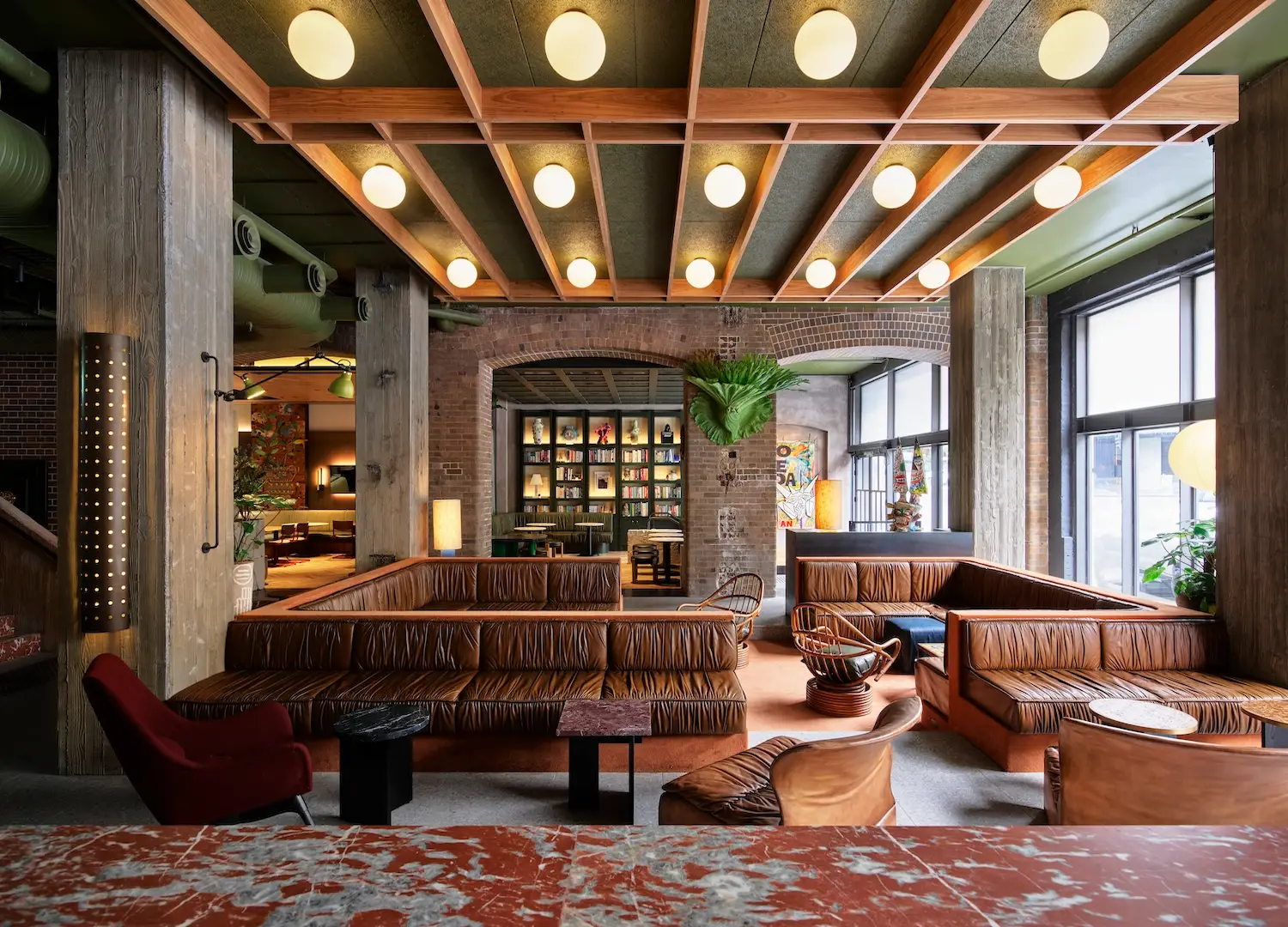
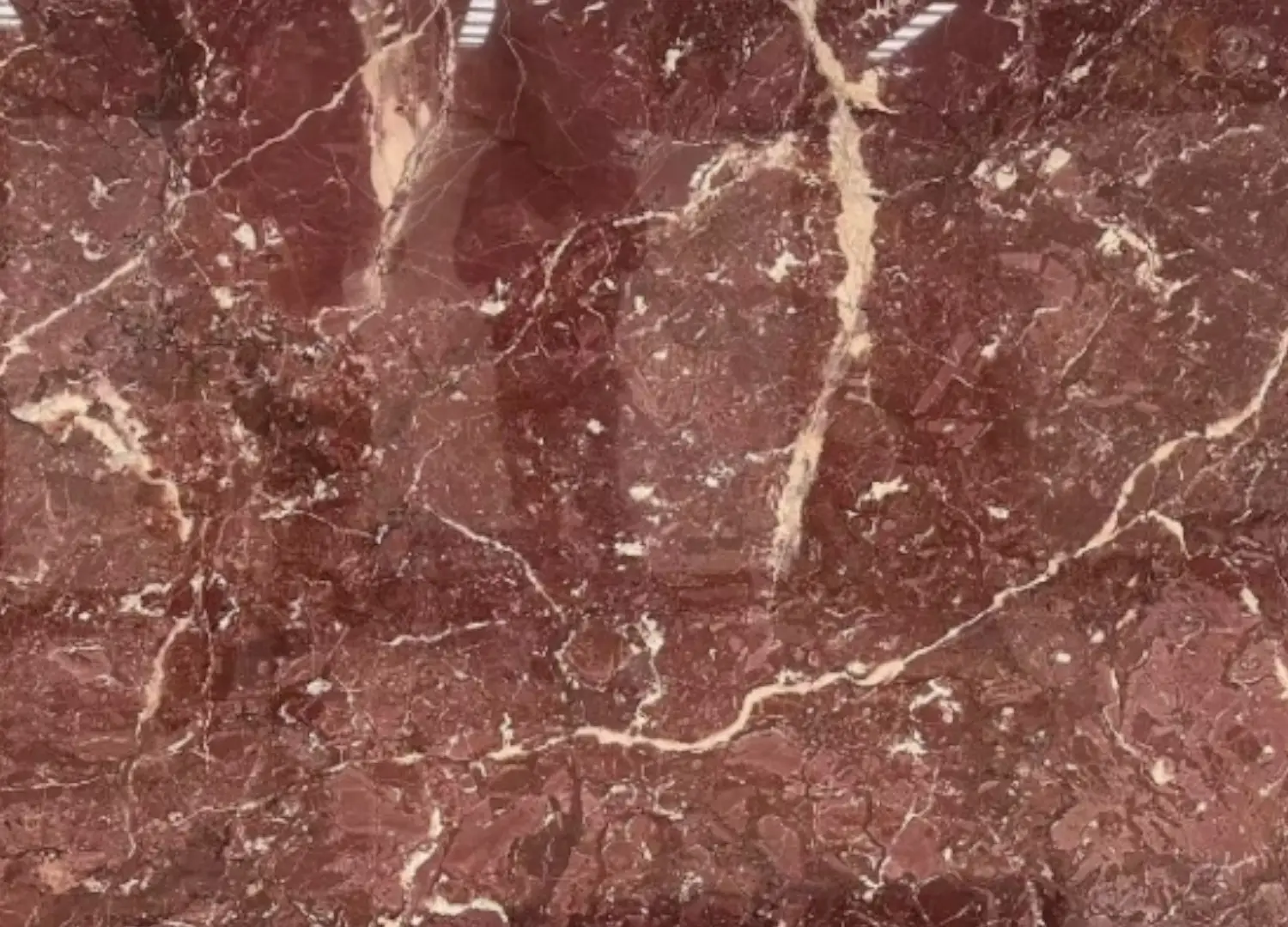
Flack Studio’s inspiration draws from artist Albert Namatjira’s landscapes and architect Robin Boyd’s book The Australian Ugliness, both emblematic of Australia’s cultural and environmental identity. These influences are evident in the interior’s earthy tones, playful textures, and juxtaposition of raw materials. Locally sourced timber, aged brass, and sandstone all inspire a nod to the building’s heritage, while reclaimed bricks and off-form concrete connect to its industrial origins. Decorative elements such as ochre-red marble and terracotta tiles add richness and depth, grounding the spaces in the surrounding natural palette.

The sunken lounge, inspired by 1970s Australia, became a key element of the design, offering an inviting space for guests to gather and connect.

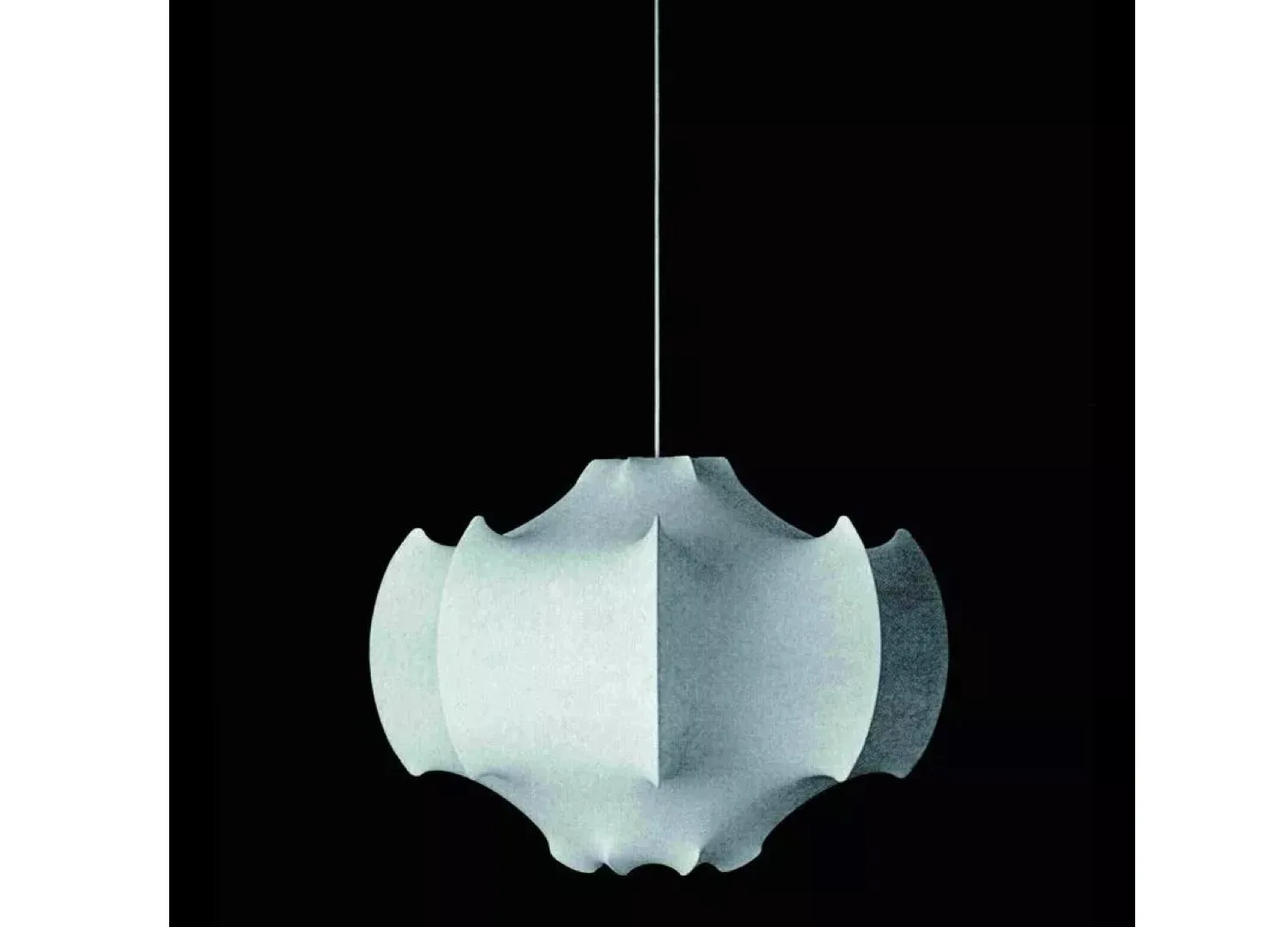
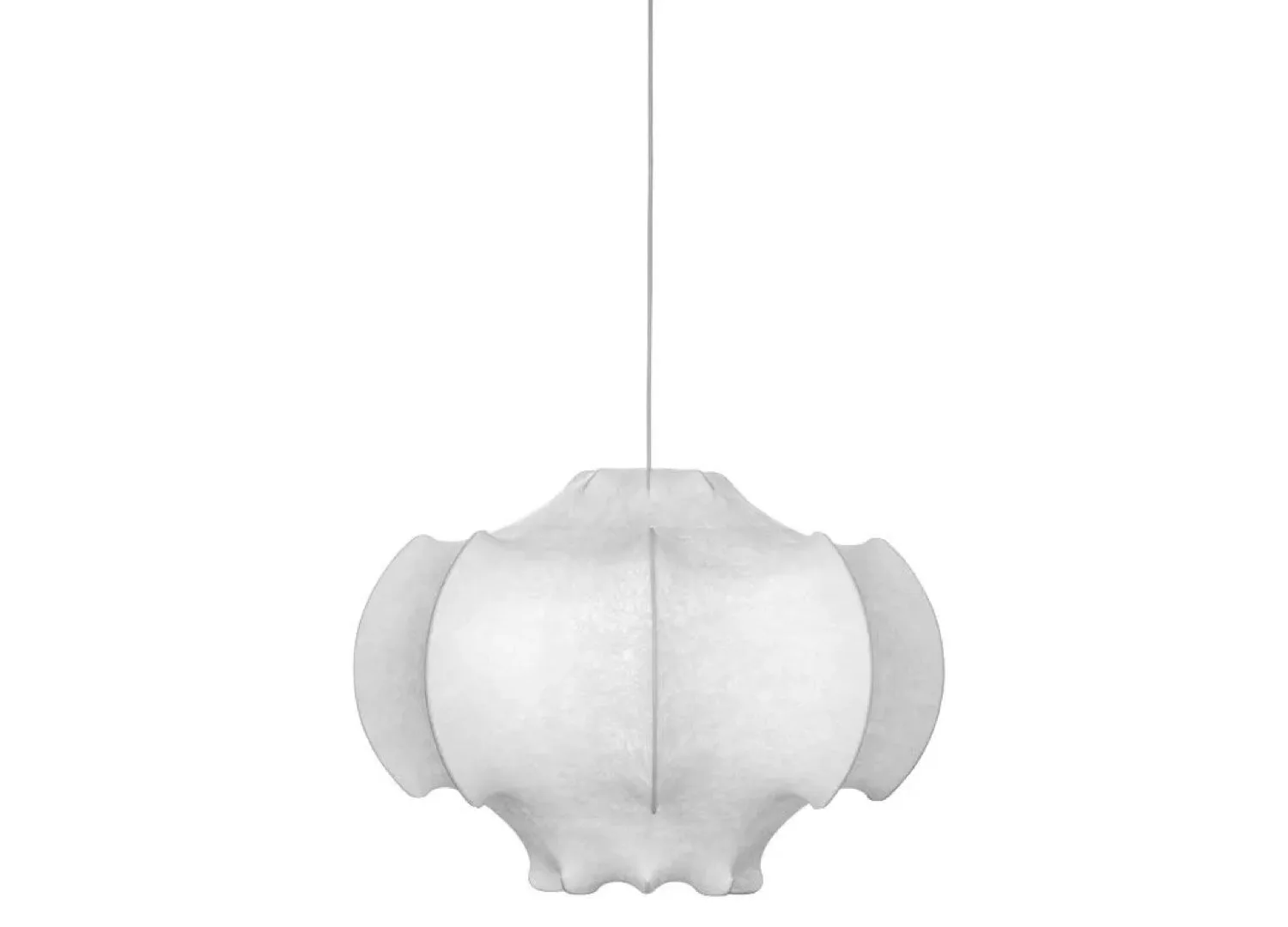
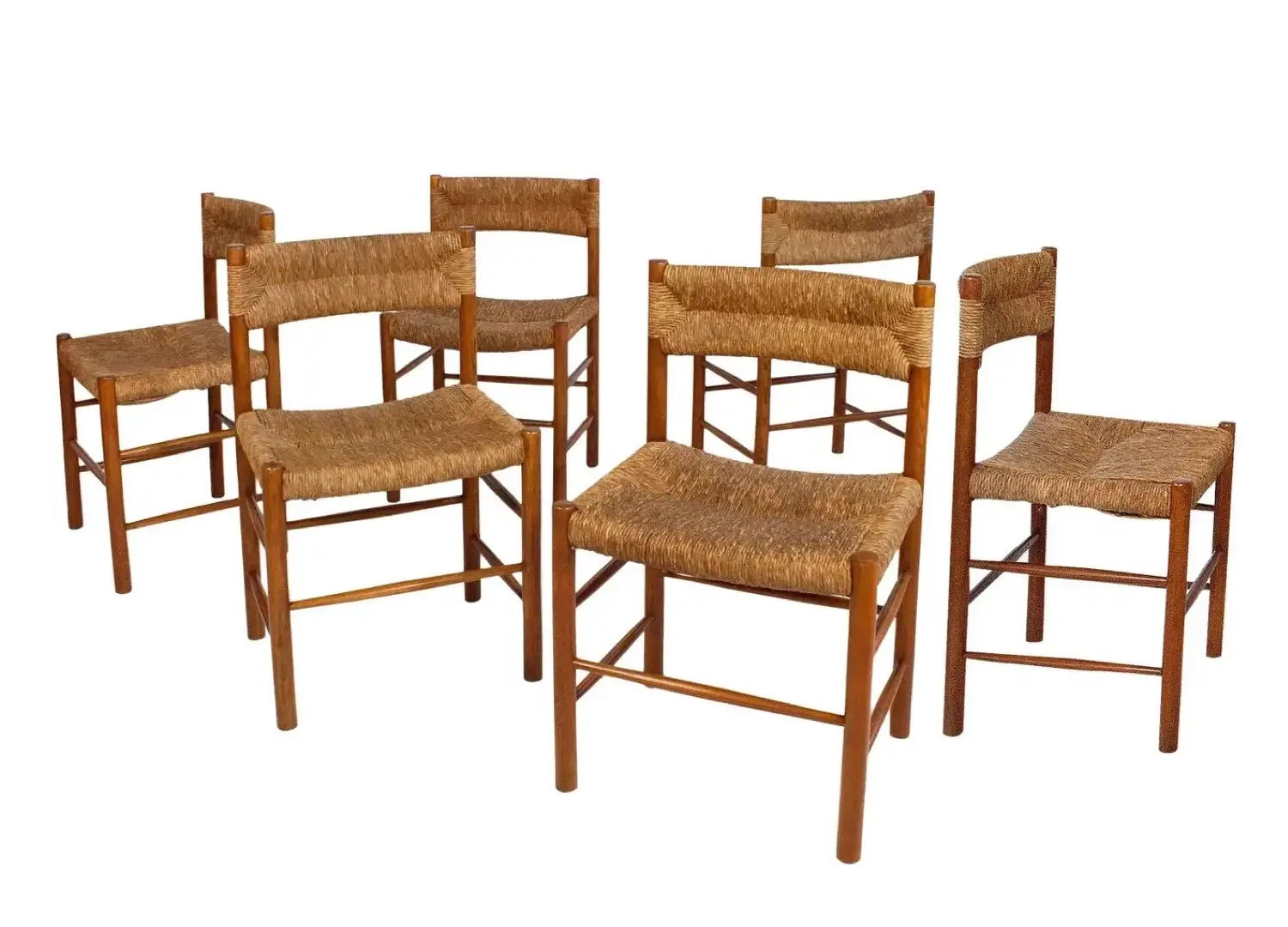
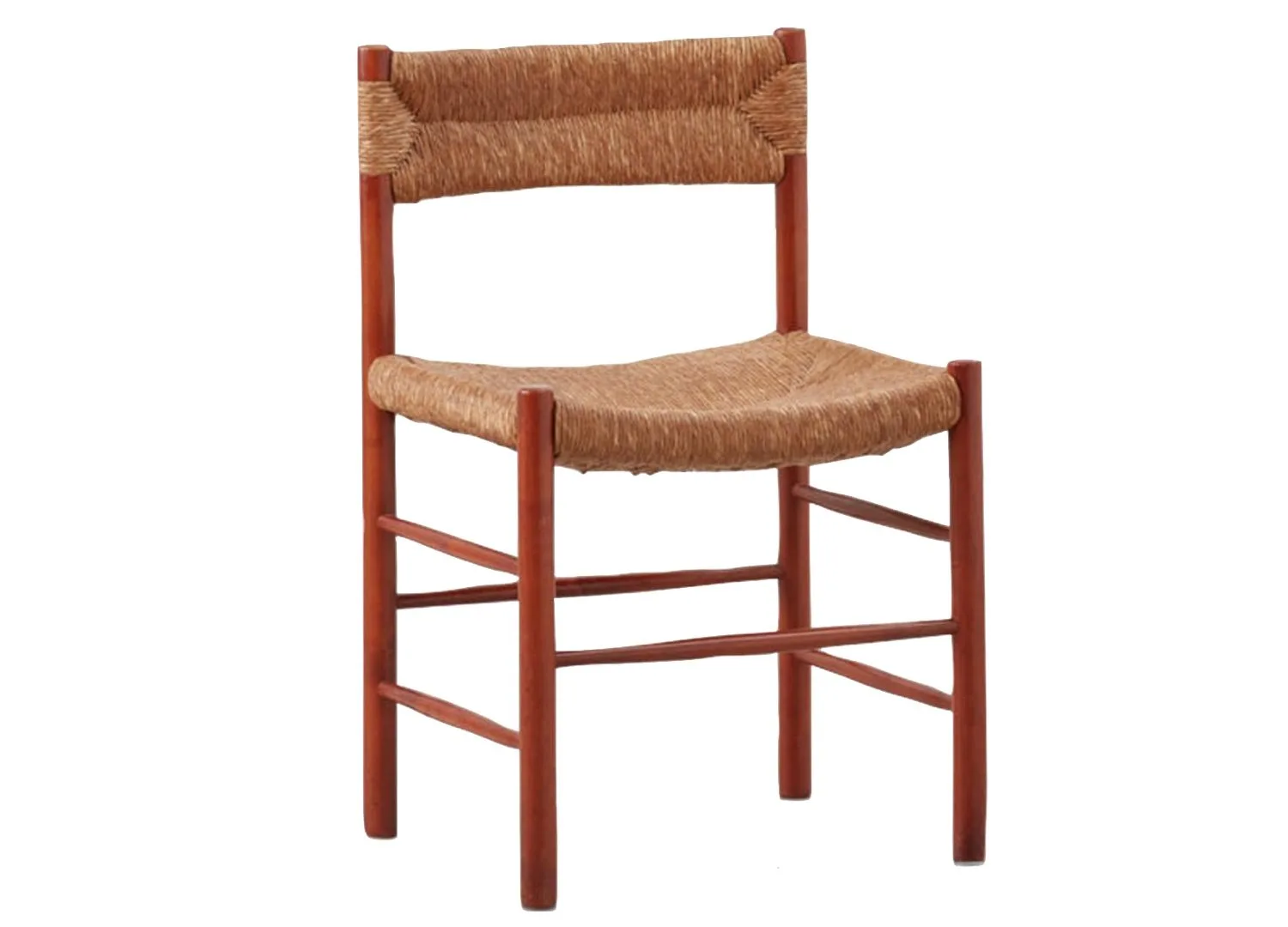
Custom-crafted details are central to Ace Hotel Sydney’s identity. Studio Henry Wilson’s brass wall hooks, bespoke oak armchairs with green velvet accents, and a polychromatic glazed brick reception desk by ceramicist James Lemon inject individuality and character. Throughout the hotel, Flack Studio’s selection of bespoke furniture and lighting are paired with iconic modernist pieces, such as Tobia Scarpa’s Nuvola lamps, creating a harmonious relationship between the past and present.

The lobby, with its floor-to-ceiling windows, reclaimed brickwork, and a sunken lounge enveloped in citrus-hued carpet, serves as an inviting hub for social connection and relaxation and playing host to events such as local album launches and artist events.

In the guest rooms, Flack Studio embraces modernist principles with warm palettes of ochres and terracottas, complemented by custom joinery that reflects the building’s character. Detailed touches, such as hand-carved timber signage and handpicked local artworks, create a sense of intimacy and connection to place. The rooms are designed as retreats, offering a serene contrast to the dynamic energy of the Surry Hills streets below.

David Flack, Founder & Director, Flack Studio

Flack Studio’s design vision aimed to craft a warm space that seamlessly blends Australia’s cultural history with Ace’s distinctive, community-focused approach to hospitality.

Eighteen stories above the city is Kiln, the hotel’s rooftop restaurant and bar. Unlike the rest of the hotel, Kiln was designed by Fiona Lynch Office.

Fiona Lynch Office crafted Kiln as a distinctly Australian space, emphasising locally sourced sustainable materials like reclaimed timber, recycled glass, and natural leather.

Dining spaces further showcase the synergy between design and experience. LOAM, the ground-floor restaurant, frames its vegetable-focussed menu with tactile finishes like leather banquettes and a ceramic mural by Glenn Barkley.

Upstairs, the rooftop restaurant Kiln, designed by Fiona Lynch Office, elevates the sensory experience with a unique textile dye process using salvaged building materials. The space features earthy tones and refined finishes, complemented by an innovative menu by Chef-Partner Beau Clugston, celebrating his coastal Australian roots with locally inspired seafood, meat, and vegetable dishes.

Flack Studio’s vision seamlessly integrates the building’s heritage with a modern design language, crafting spaces that feel both approachable and forward-looking. By merging raw materials, and layered textures, and celebrating artistry, the hotel stands as a tribute to the cultural and architectural richness of its surroundings, making it an essential destination for design aficionados and travellers alike.

est Recommends

The Faces Shaping Australian Interior Design

Leave a Reply

Your email address will not be published. Required fields are marked *