Since the brand was first conceived in 2000, Living Edge has stayed true to one simple belief: that the objects we live with should be meaningful, long-lasting and thoughtfully made. This ethos has guided every collection, collaboration and showroom experience over the past two decades.
Now, 25 years on, the Australian brand reflects on the enduring appeal and unmistakable character that define iconic design, celebrating the objects that continue to inspire and live on.
From furniture to lighting and decorative objects, we reveal the 25 signature Living Edge pieces that have left their mark on the contemporary design scene, each one a testament to the craft, innovation and thoughtful intent that shape the spaces we inhabit.
Produced in partnership with Living Edge.
Ludwig Mies van der Rohe, Knoll, 1929
German-American designer Ludwig Mies van der Rohe created the Knoll Barcelona chair for Spanish royalty, with polished chrome and individually hand-cut, sewn and tufted leather panels.
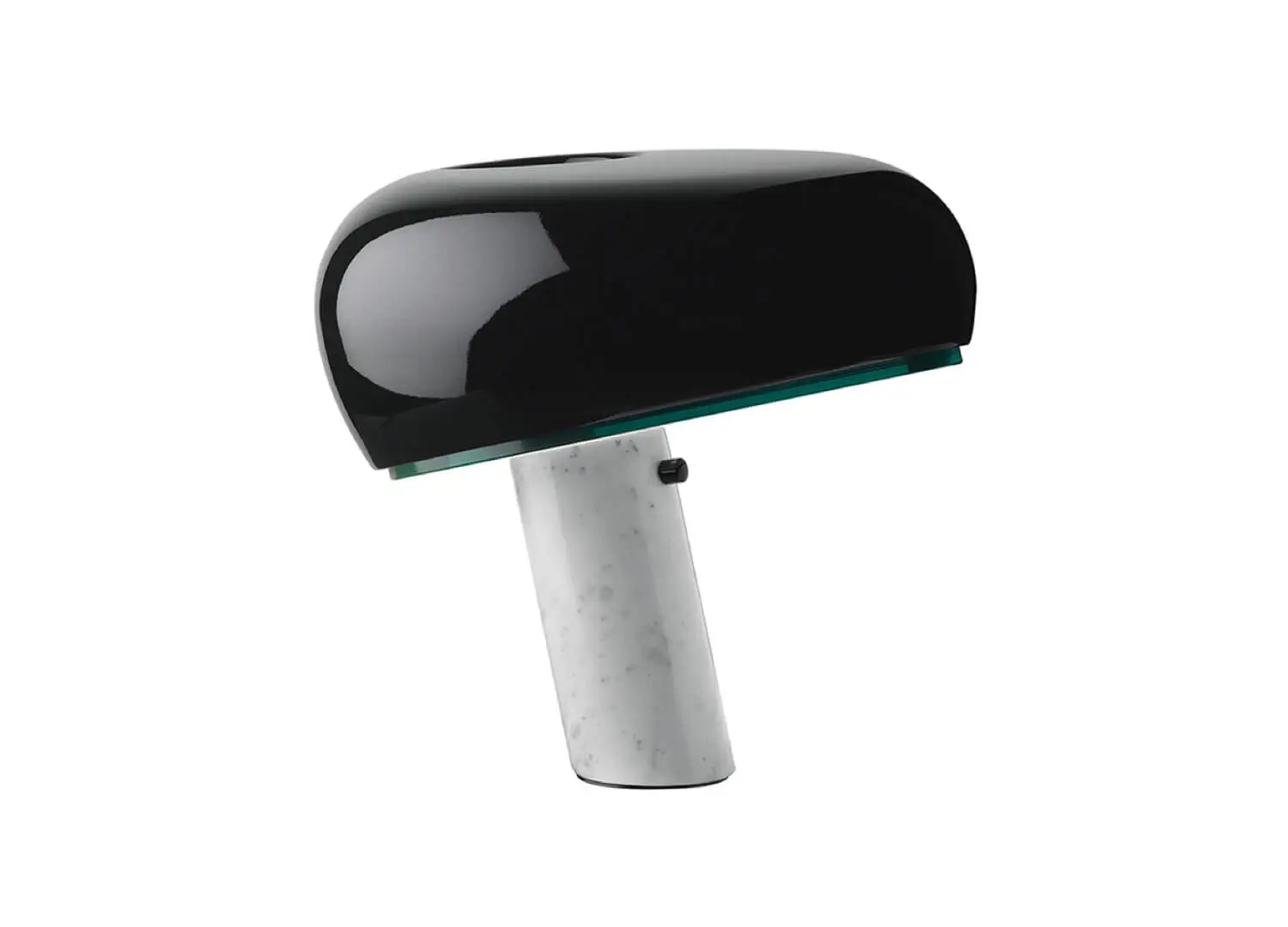
Snoopy Table Lamp
Achille & Pier Castiglioni, Flos, 1967
Italian design brothers Achille and Pier Giacomo Castiglioni’s Flos Snoopy table lamp takes inspiration from the beloved cartoon character, combining an umbrella-shaped enamel shade with a marble base.
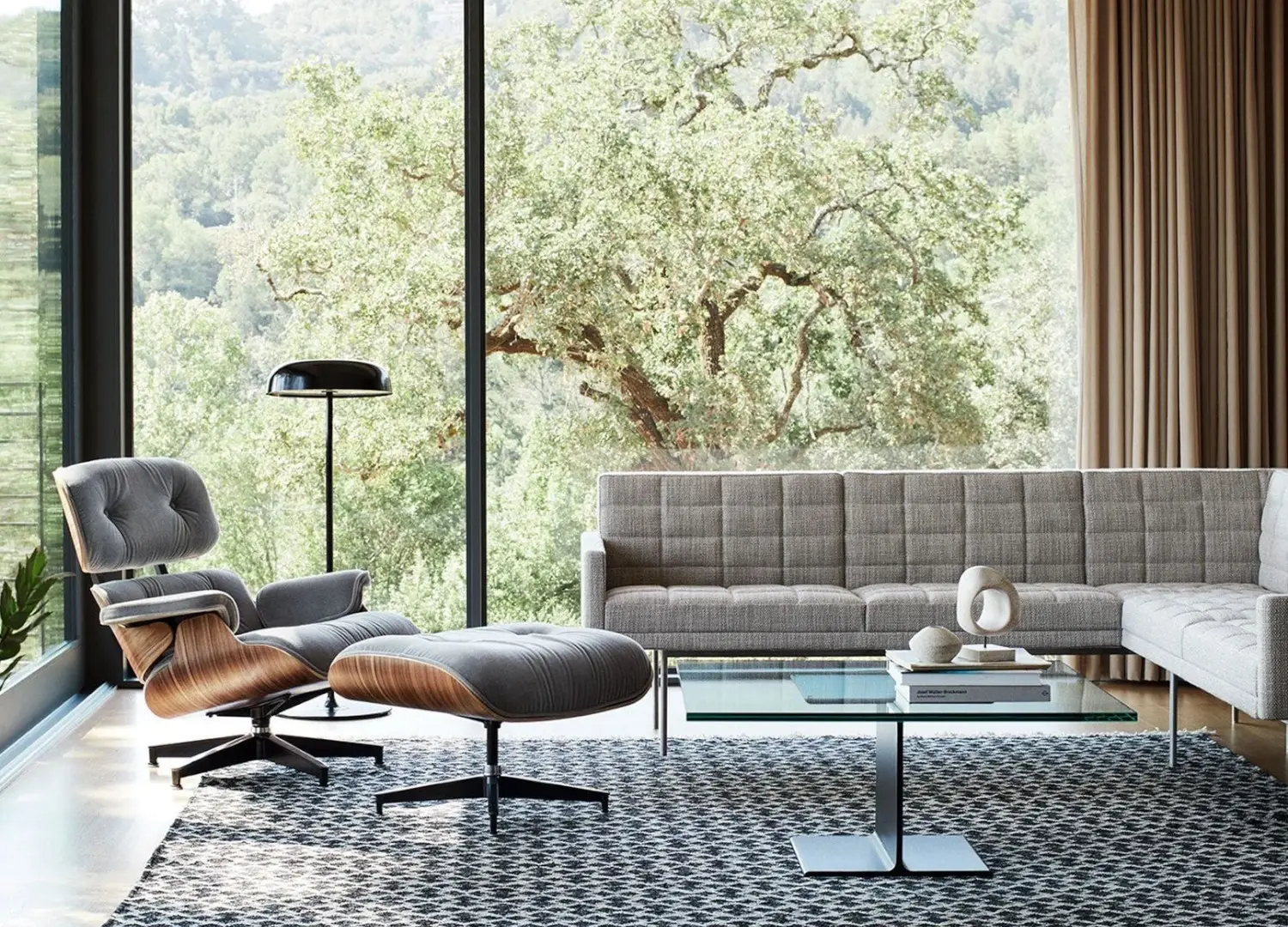
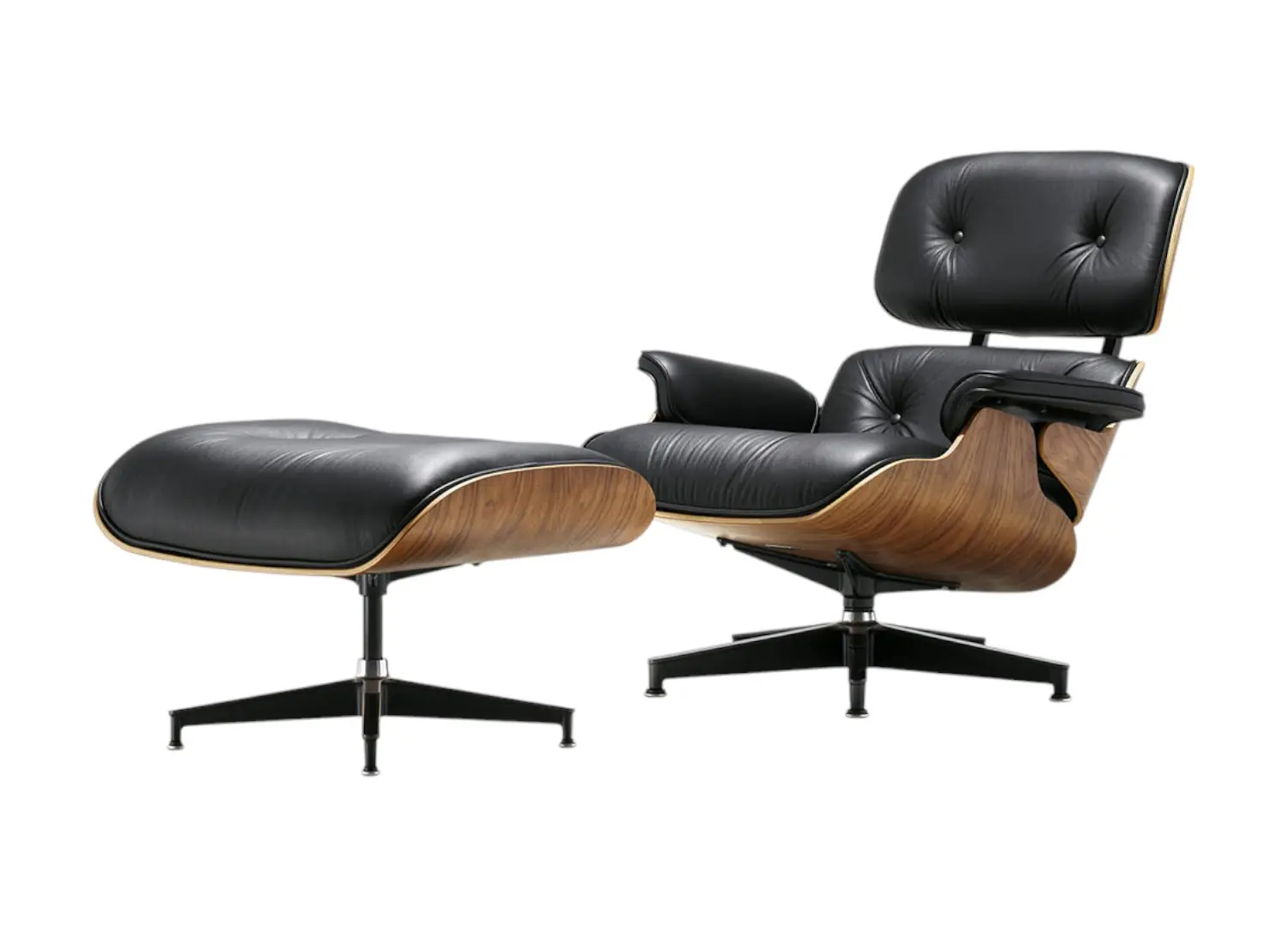
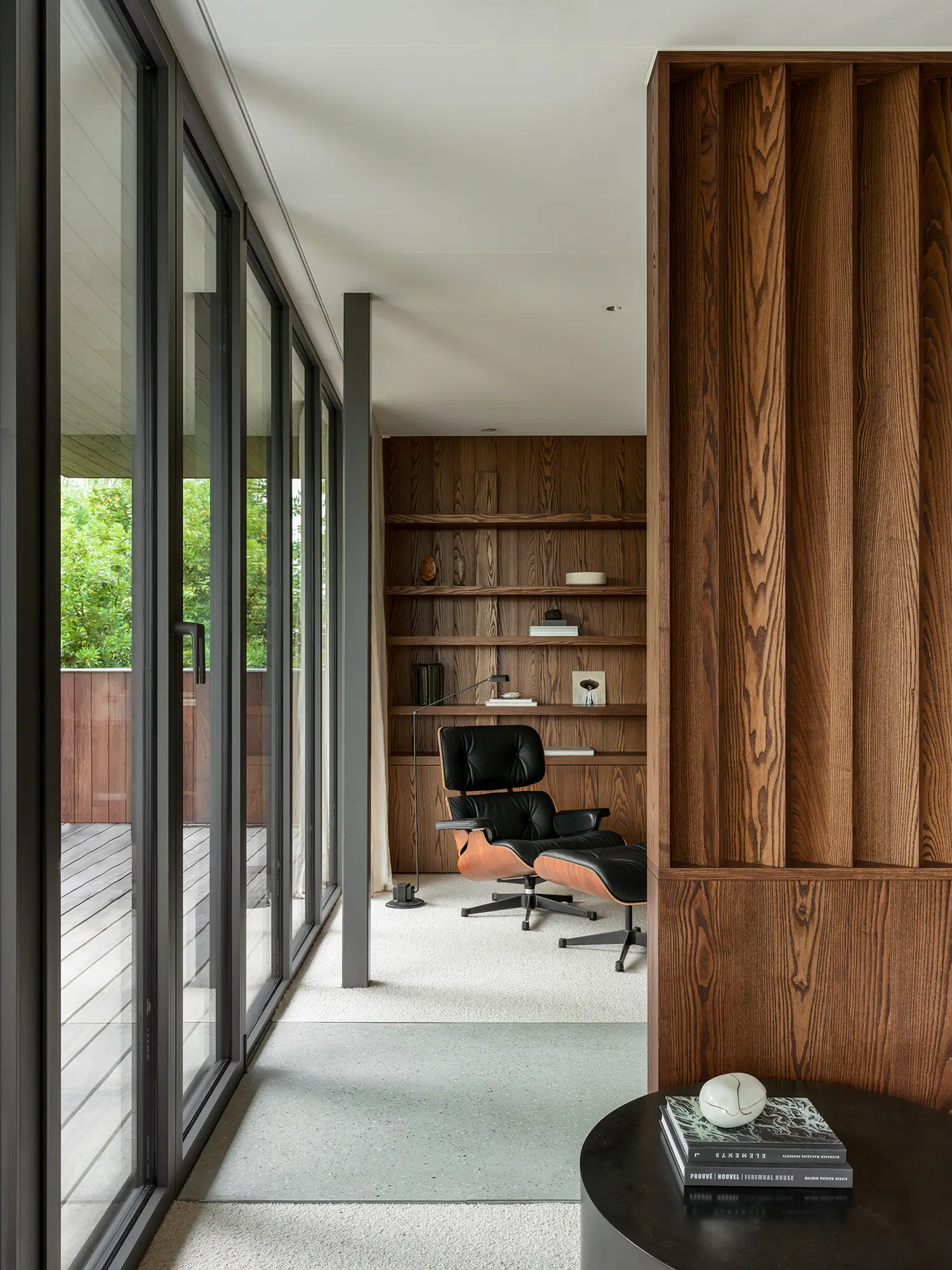
Originally crafted by married American designers Charles and Ray Eames in 1956, the Herman Miller Eames lounge chair & ottoman combines moulded plywood and leather in an iconic mid-century form; today, it’s offered in bamboo, reducing its carbon footprint.
Sint-Anna by Decancq Vercruysse | Photography by Piet-Albert Goethals
Charles and Ray Eames designed the Eames Turned Walnut stool as a versatile seat or side table, offered in solid walnut, ebonised ash, or white oak with four distinct profiles.
Charles and Ray Eames, Vitra, 1948
Designed by Charles and Ray Eames for a 1948 Museum of Modern Art competition, the Vitra Eames La Chaise draws inspiration from the sculptural forms of Gaston Lachaise.
Malvern Residence III by Studio Tate | Photography by Anson Smart
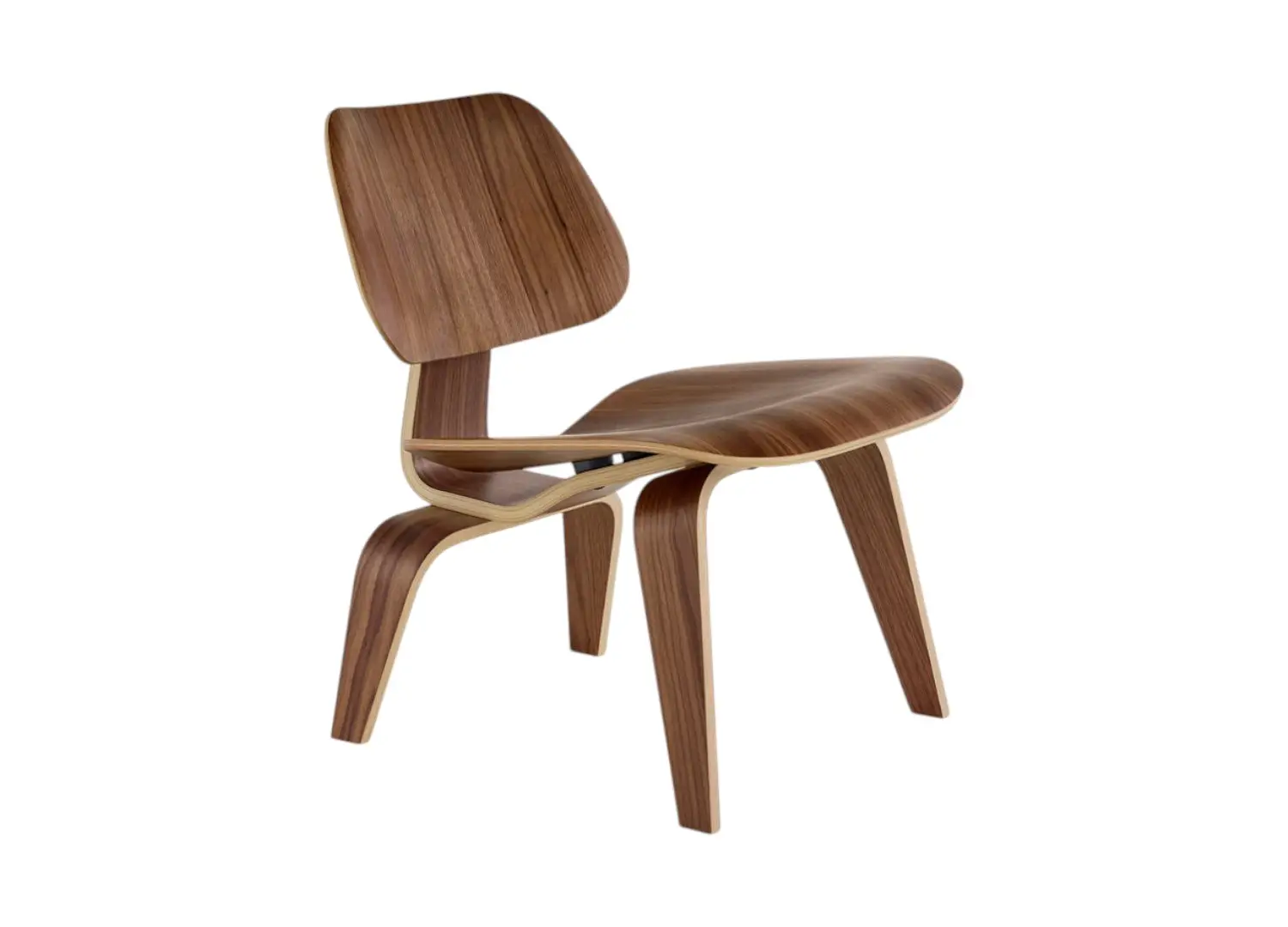
First introduced in the 1940s, Charles and Ray Eames’ moulded plywood lounge chair bends ergonomic plywood into fluid curves that gently cradle the body.
Vico Magistretti, Oluce, 1977
Italian designer Vico Magistretti created the Oluce Atollo lamp from lacquered metal, earning the Compasso d’Oro in 1979 and cementing its status as a sculptural icon of the 1970s.
Ayako Takase, Herman Miller, 2008
Designed in collaboration with Japanese designer Ayako Takase and American designer Cutter Hutton, the Herman Miller Airia desk combines steel, aluminium and glass into a minimalist, functional workspace.
M Residence by Paul Conrad Architects | Photography by Timothy Kaye
Spanish Mission-Style Home by Lande Architects | Photography by Shannon McGrath
Eero Saarinen, Knoll, 1948
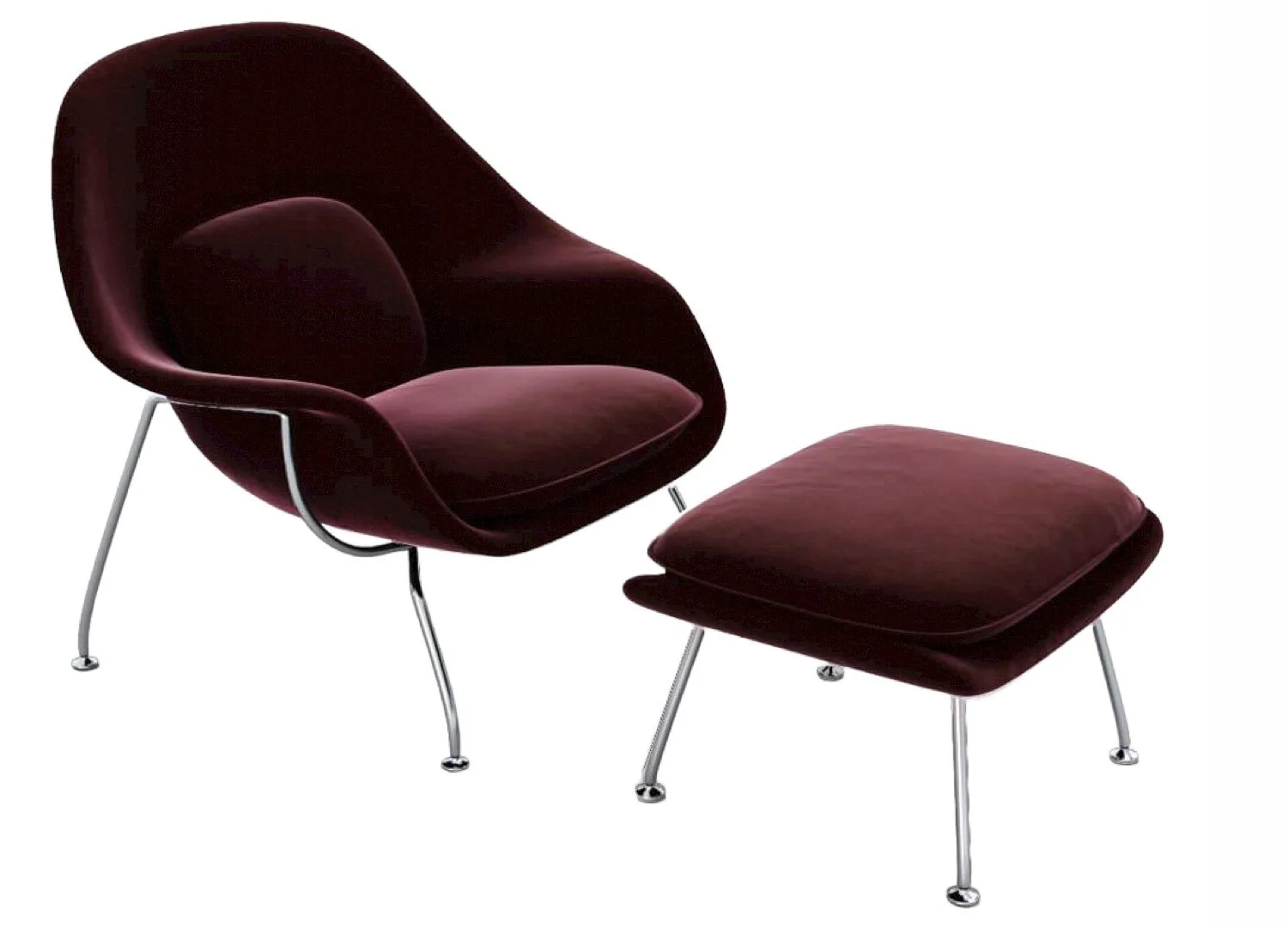
Finnish-American designer Eero Saarinen designed the Knoll Womb chair for Florence Knoll, who requested “a chair that was like a basket full of pillows”, achieved through enveloping, cushioned curves.
Isamu Noguchi, Vitra, 1944
Japanese-American designer Isamu Noguchi created the Vitra Noguchi coffee table to balance weight and transparency, with a sculptural wooden base supporting a thick glass top that appears to float.
Charles and Ray Eames, Vitra, 2017
Following years of developing techniques for shaping plywood, Charles and Ray Eames created the Vitra Eames Elephant for their daughter, Lucia, functioning as both a decorative object and a children’s toy.
Woollahra Village House by Tobias Partners | Photography by Justin Alexander
Marcel Breuer, Knoll, 1925
Hungarian-American architect and designer Marcel Breuer conceived the Knoll Wassily chair while at the Bauhaus, using tubular steel and leather straps to redefine the classic club chair.
George Nelson, Herman Miller, 1952
Designed by American designer George Nelson, the Nelson Bubble pendant originated as a DIY experiment using translucent white plastic and a spray technique initially developed by the U.S. military.
Craig Bassam & Scott Fellows of Australian studio BassamFellows designed this daybed entirely in solid timber, combining down-filled cushions for softness with dense foam for structure, and a detachable headrest for versatility.
Wharf Apartment by Lawless & Meyerson | Photography by Prue Ruscoe
Verner Panton, Vitra, 1967
Danish designer Verner Panton created the Vitra Panton chair as a one-piece, stackable plastic chair, its fluid silhouette and vivid colours emblematic of Pop-era design.
Eero Saarinen, Knoll, 1958
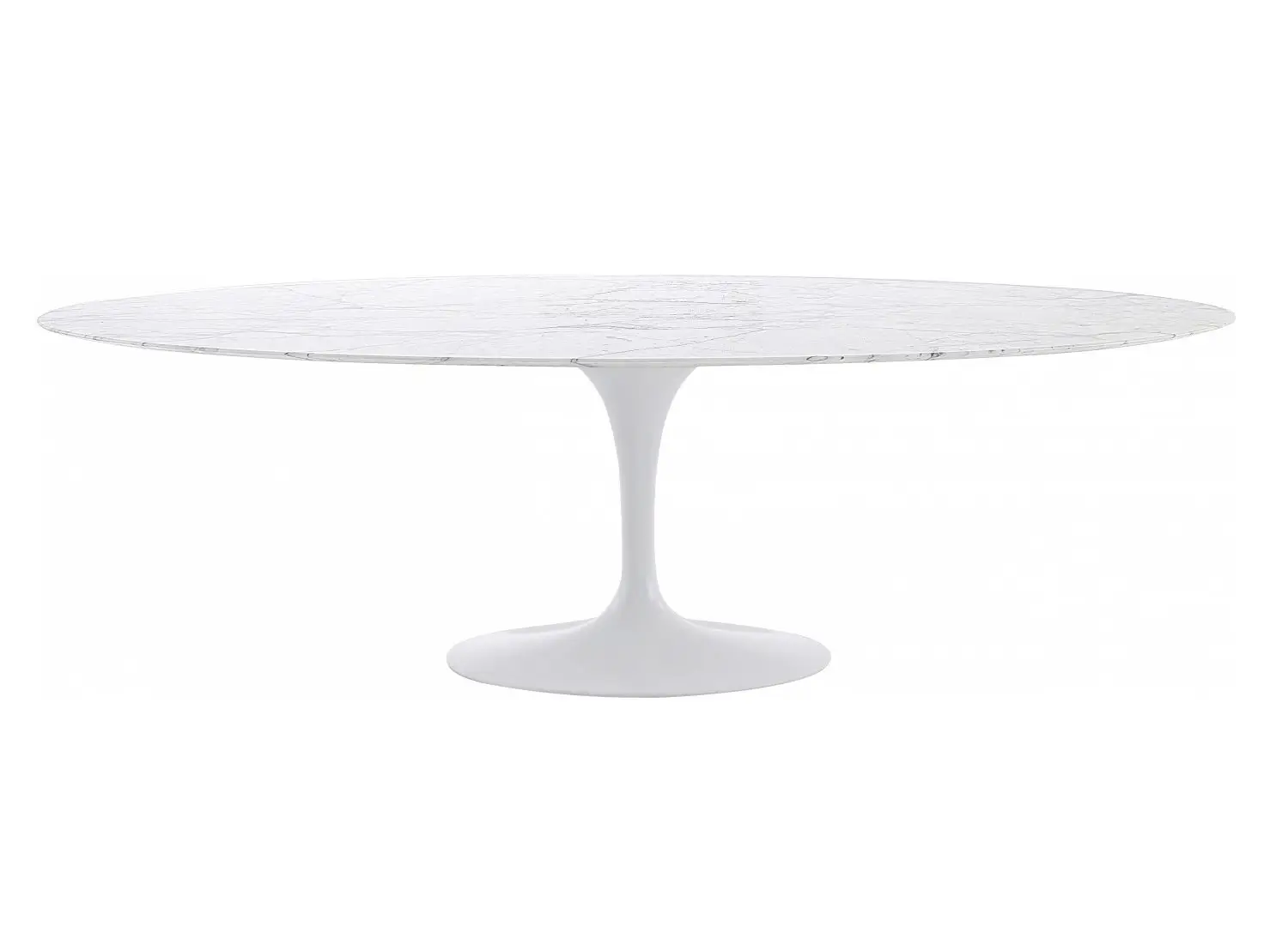
Eero Saarinen’s Knoll Saarinen dining table revolutionised the pedestal table, supporting a circular top with a single tulip-shaped base, eliminating the need for multiple legs.
Eames House Bird
Charles and Ray Eames, Vitra, 2007
Originally made for Charles and Ray Eames’ own home, the Vitra Eames House Bird is a minimalist wooden sculpture often found in the background of the designers’ photographs.
Pacific Palisades by Electric Bowery | Photography by Laure Joliet
Arco Floor Lamp
Since its introduction in 1962, Achille and Pier Giacomo Castiglioni’s Flos Arco floor lamp has remained in production, with its Carrara marble base fitted with a practical lift hole for easy placement.
Bill Stumpf and Don Chadwick, Herman Miller, 1994
The Herman Miller Aeron chair was engineered in a first-time seating collaboration between American designers Bill Stumpf and Don Chadwick, featuring a mesh seat and adjustable frame that adapts to a wide range of bodies.
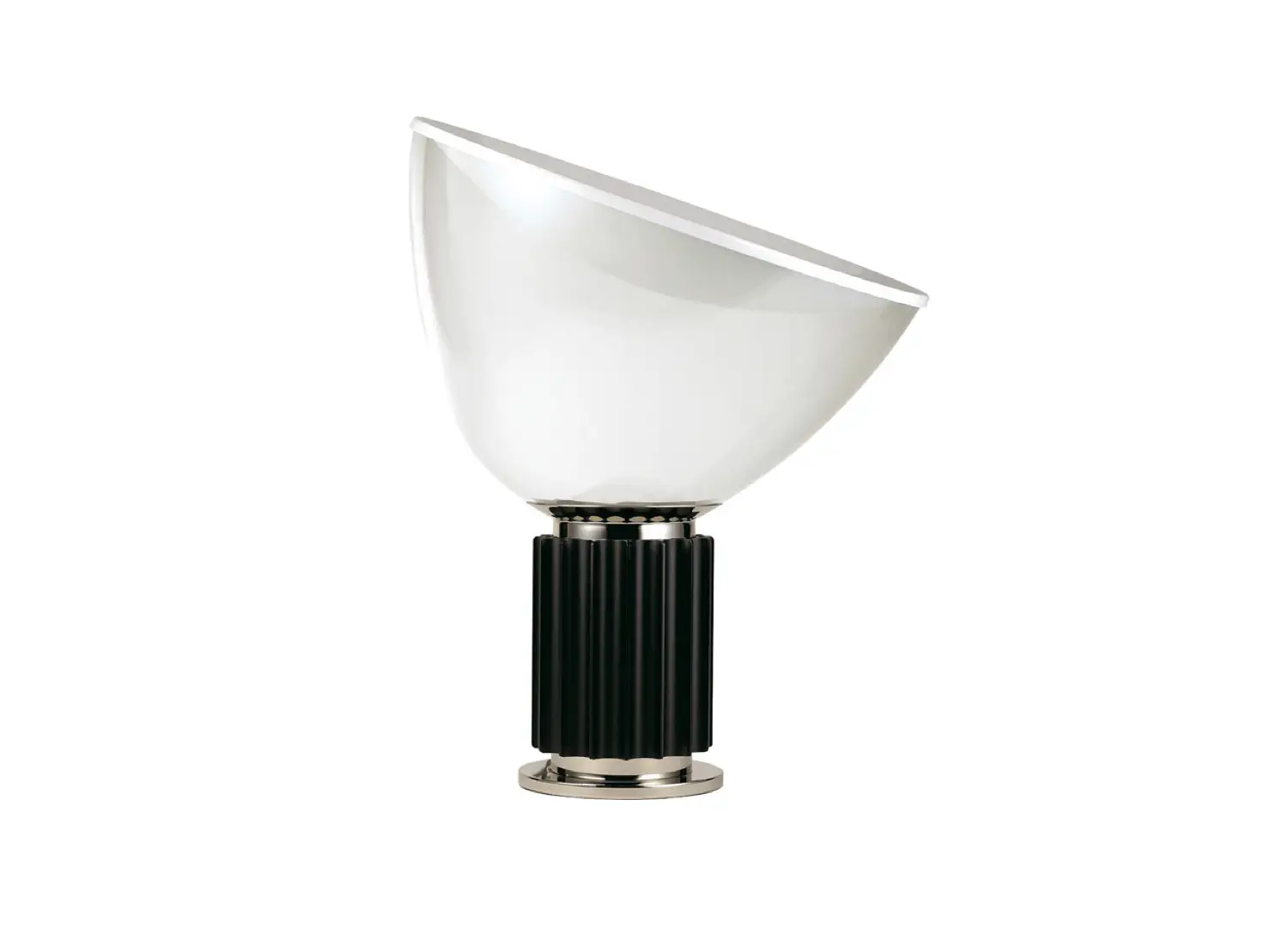
Designed by Achille and Pier Giacomo Castiglioni, the Flos Taccia table lamp uses a blown-glass reflector atop a flared stem to direct light, available in anodised matte black or sandblasted natural finishes.
“The Flos Taccia lamp is an icon for a reason. The large version is equally at home on a sideboard as it is on the floor in a corner of a room.”
– Andrew Piva, B.E Architecture
Camp Roig 31 by Durietz Design and Development | Photography by Piet-Albert Goethals
Guido Drocco & Franco Mello, Gufram, 2010
Italian designers Guido Drocco and Franco Mello imagined the Gufram Cactus as an oversized, playful coat stand, with its colour cyclically reinterpreted according to the style of the moment, such as its original deep emerald, white, green red or black.
Ludwig Mies van der Rohe, Knoll, 1930
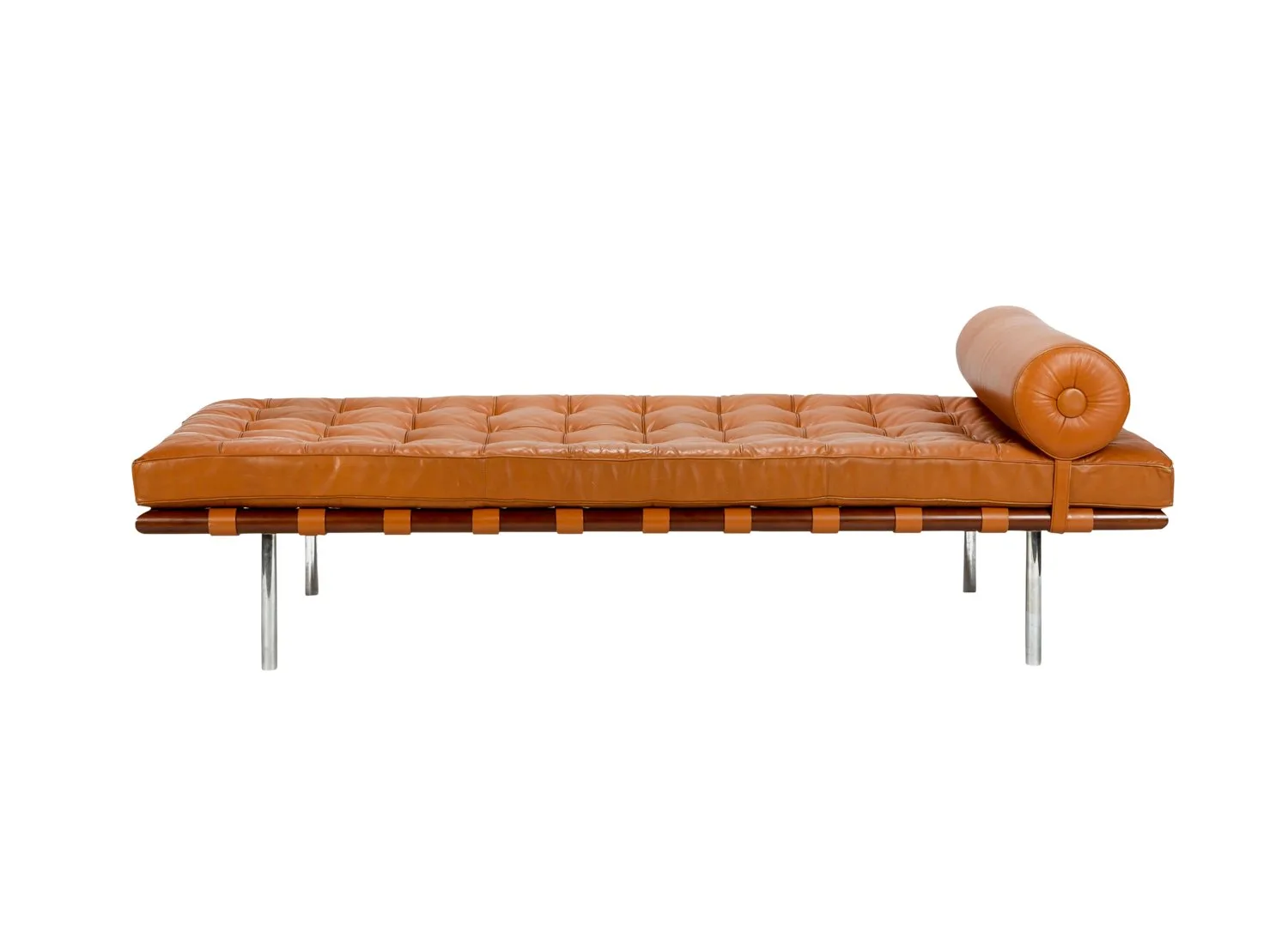
Ludwig Mies van der Rohe designed the Knoll Barcelona daybed for the 1929 German Pavilion in Barcelona, featuring a polished chrome frame and individually welted leather cushions.
Lake Como by Benoit Viaene | Photography by Piet-Albert Goethals
Eames Moulded Plastic Side Chair
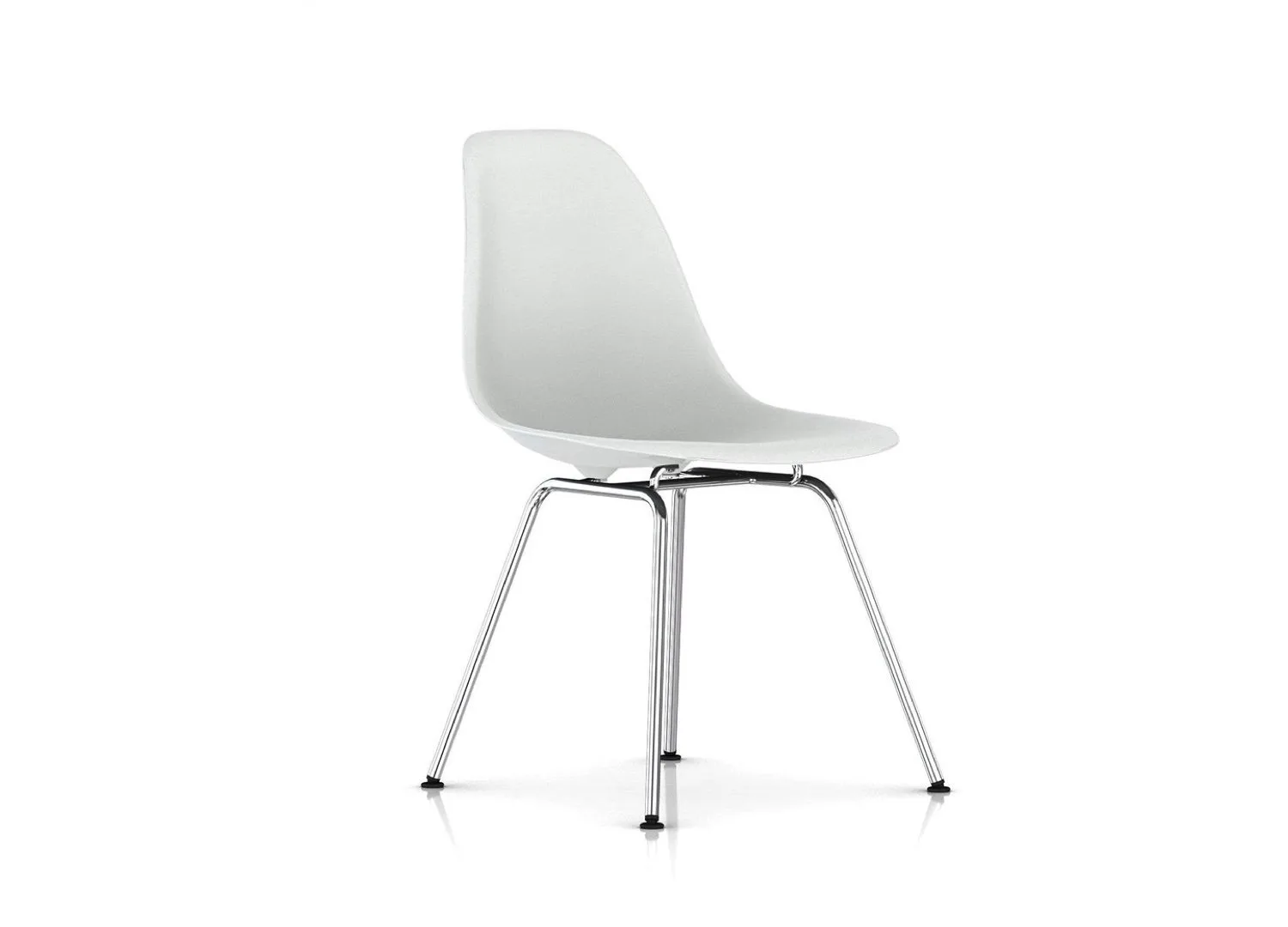
Charles and Ray Eames’ moulded plastic chair was designed on principles of adaptability and ergonomics, offering a lightweight form available in a range of vibrant colours.
Radiofonografo
More than six decades after its original release by Achille and Pier Giacomo Castiglioni, the Brionvega Radiofonografo is a multifunctional piece, incorporating a turntable, AM/FM radio and speaker system.
Charles and Ray Eames designed the Herman Miller Hang-It-All to bring playful functionality to a household staple, featuring a powder-coated steel frame topped with colourful solid wood spheres.